
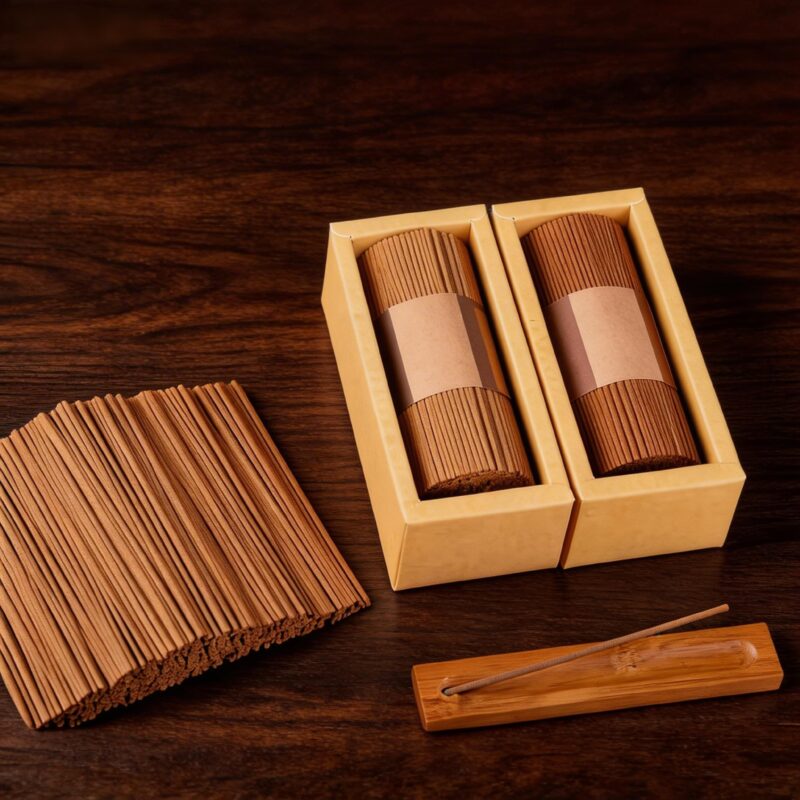
The Quiet Depth of a Living Fragrance
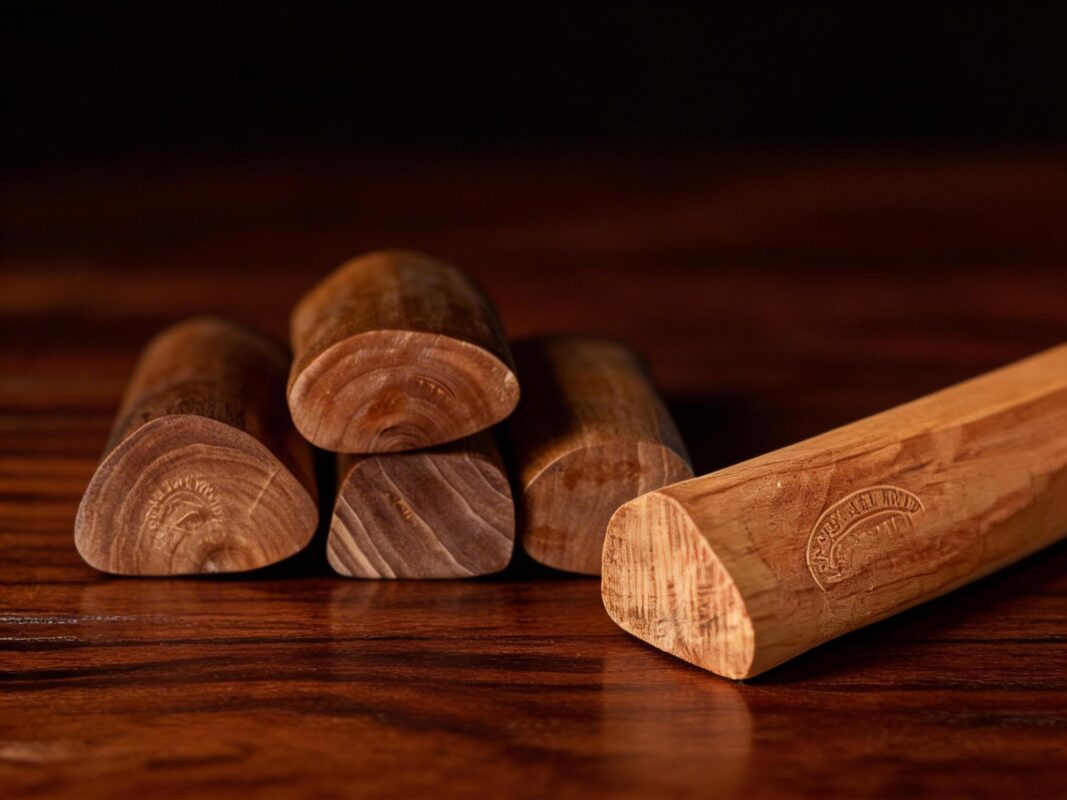
A Material That Ages Like Time Itself
Among the many aromatic woods used throughout the history of incense, few carry the quiet dignity of Old Mountain Sandalwood.
For centuries it has been valued across Asia not for intensity, but for its calm presence. Its fragrance does not rush outward. It unfolds slowly, revealing soft layers of warmth, wood, and subtle sweetness.
Unlike modern synthetic fragrances designed to dominate a space, natural sandalwood works differently. It remains close to the air around it, shaping the atmosphere rather than announcing itself as perfume.
The experience is subtle.
A moment becomes slower.
A room becomes quieter.
What “Old Mountain Sandalwood” Means
The term Old Mountain Sandalwood traditionally refers to mature sandalwood trees grown in the historic sandalwood regions of southern India, particularly the forests surrounding Mysore.
These trees develop aromatic heartwood slowly over decades. As the tree ages, the concentration of natural oils increases, creating the smooth and creamy fragrance sandalwood is known for.
Because of historical overharvesting and modern conservation policies, authentic sandalwood has become increasingly rare.
Today, genuine sandalwood is valued not for abundance, but for its quiet rarity and natural integrity.
For a botanical overview of sandalwood species and their ecological background, see:
Sandalwood botanical research by the Royal Botanic Gardens, Kew
The Character of Sandalwood Fragrance
Natural sandalwood does not behave like perfume.
Its scent profile is soft and layered:
• warm woody depth
• subtle creamy sweetness
• faint milky smoothness
• calm, meditative dryness
When burned as incense, the aroma appears gradually. It rarely spikes sharply or fills a room aggressively.
Instead, it settles into the space quietly.
This gentle behavior is why sandalwood has been used for centuries in contemplative environments.
It encourages stillness rather than stimulation.
You can explore the cultural history of incense in Asian traditions through research from the Metropolitan Museum of Art.
Why Sandalwood Has Been Used for Centuries
Across cultures, sandalwood has served both practical and symbolic roles.
Historically it has been used in:
• meditation environments
• temple rituals
• quiet reading spaces
• evening reflection
• personal grounding practices
Unlike strong incense designed to fill large ceremonial halls, sandalwood incense often belongs to smaller personal spaces.
Its fragrance does not demand attention.
It simply accompanies the moment.
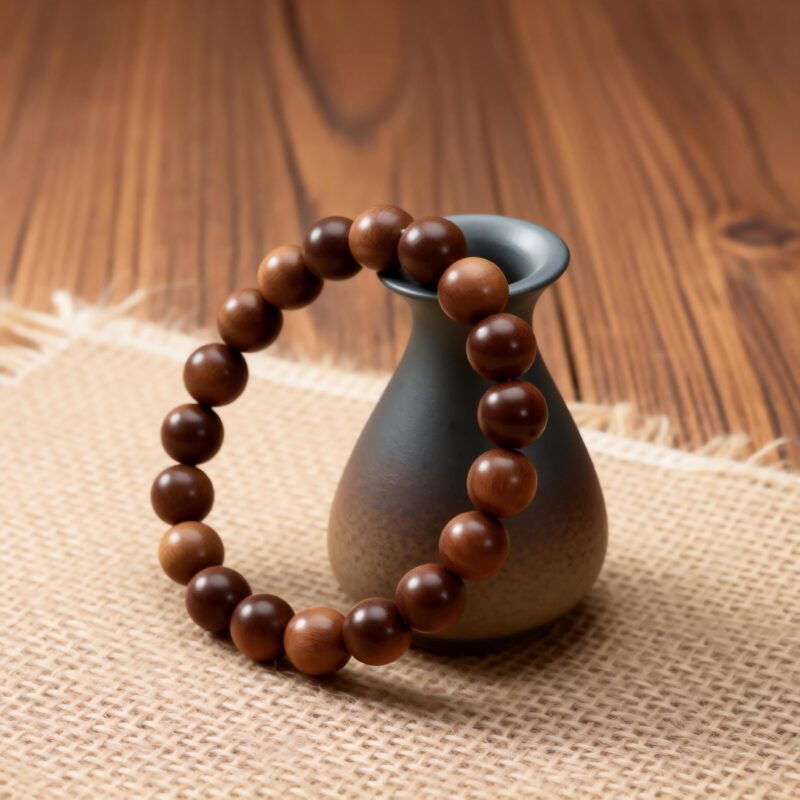
In a similar way, sandalwood can also extend beyond incense into what you wear and carry with you.
A sandalwood bracelet, by contrast, provides a soft, steady presence, making it well suited for daily wear and a calm, grounded atmosphere. Explore sandalwood bracelet →
Handcrafted Incense and the Role of Time
Traditional incense making follows a deliberately slow process.
Natural wood powders are blended with botanical binders and water. The mixture is shaped and dried naturally over time.
Nothing in this process can be rushed.
Drying time, humidity, and material density all influence the final character of the incense.
Because of this, handmade incense always carries subtle variation.
These differences are not imperfections.
They are part of the material’s living nature.
Creating a Quiet Space
Sandalwood incense works best in environments that allow its fragrance to remain gentle.
Recommended settings include:
• a desk during reading or writing
• a quiet evening room
• personal meditation spaces
• slow morning rituals
Rather than filling the air with scent, sandalwood incense shifts the atmosphere almost imperceptibly.
The space simply feels calmer.
A Fragrance That Does Not Seek Attention
Many modern fragrances are designed to be noticed immediately.
Sandalwood belongs to a different philosophy.
Its aroma reveals itself slowly and quietly.
Sometimes it is barely there.
And yet over time, the room feels different.
Not performance.
But presence.
FAQ — Old Mountain Sandalwood
What does sandalwood incense smell like?
Natural sandalwood incense has a soft woody aroma with subtle creamy sweetness. It is warm, smooth, and much gentler than perfumed incense.
Why is real sandalwood incense expensive?
Authentic sandalwood trees grow slowly and are heavily protected in India. Mature aromatic heartwood can take decades to develop, which makes high-quality material increasingly rare.
Is sandalwood incense suitable for daily use?
Yes. Because sandalwood fragrance is mild and balanced, it is commonly used in daily environments such as reading, meditation, and quiet evening routines.
How long does sandalwood incense burn?
Burn time depends on the format. Traditional stick incense usually burns for about 10–20 minutes, while coil incense may burn for 1–2 hours.
Why does natural incense vary slightly in smell or color?
Natural incense is made entirely from plant materials. Variations in wood age, oil content, humidity, and handmade production can lead to slight differences between batches.
These variations are part of authentic material culture.