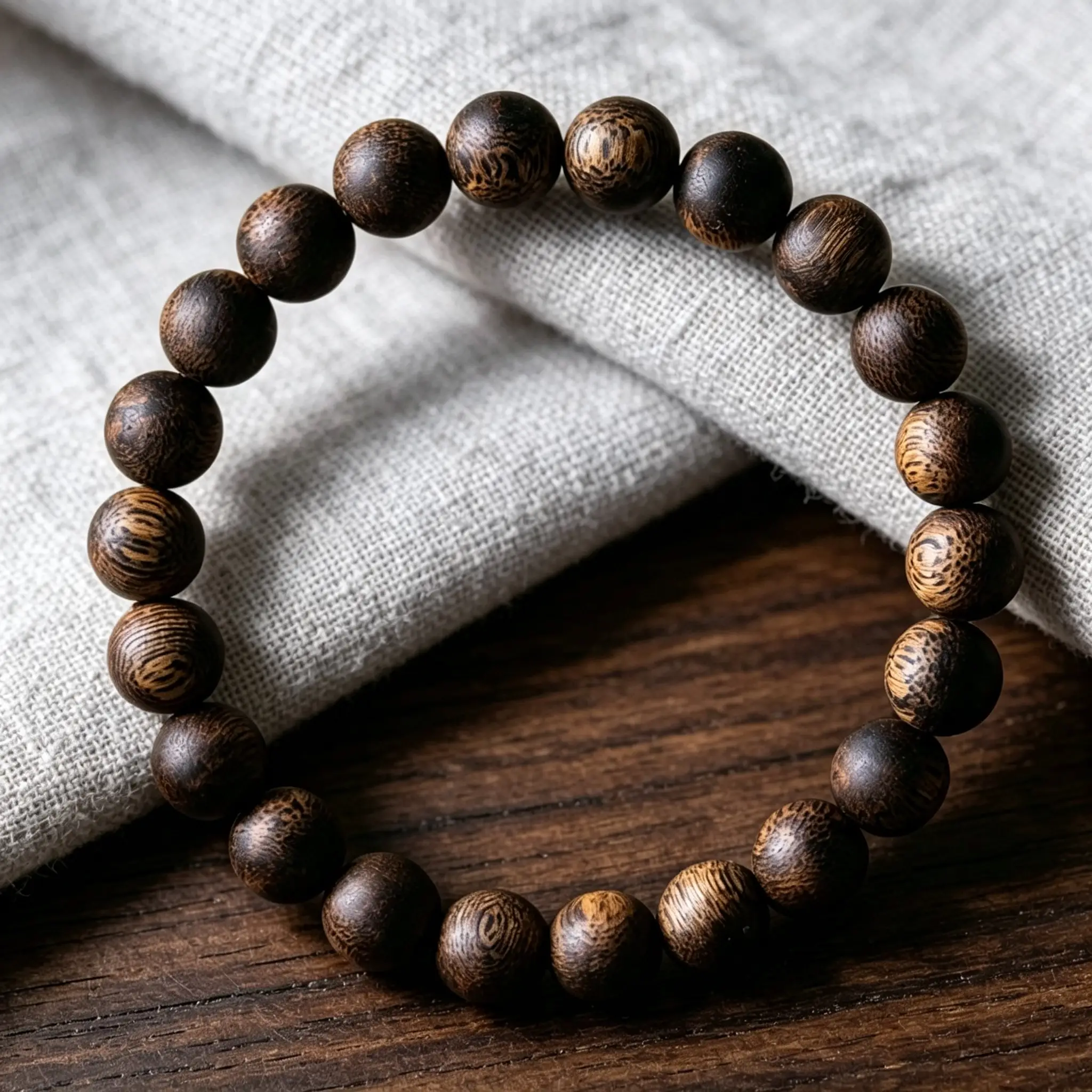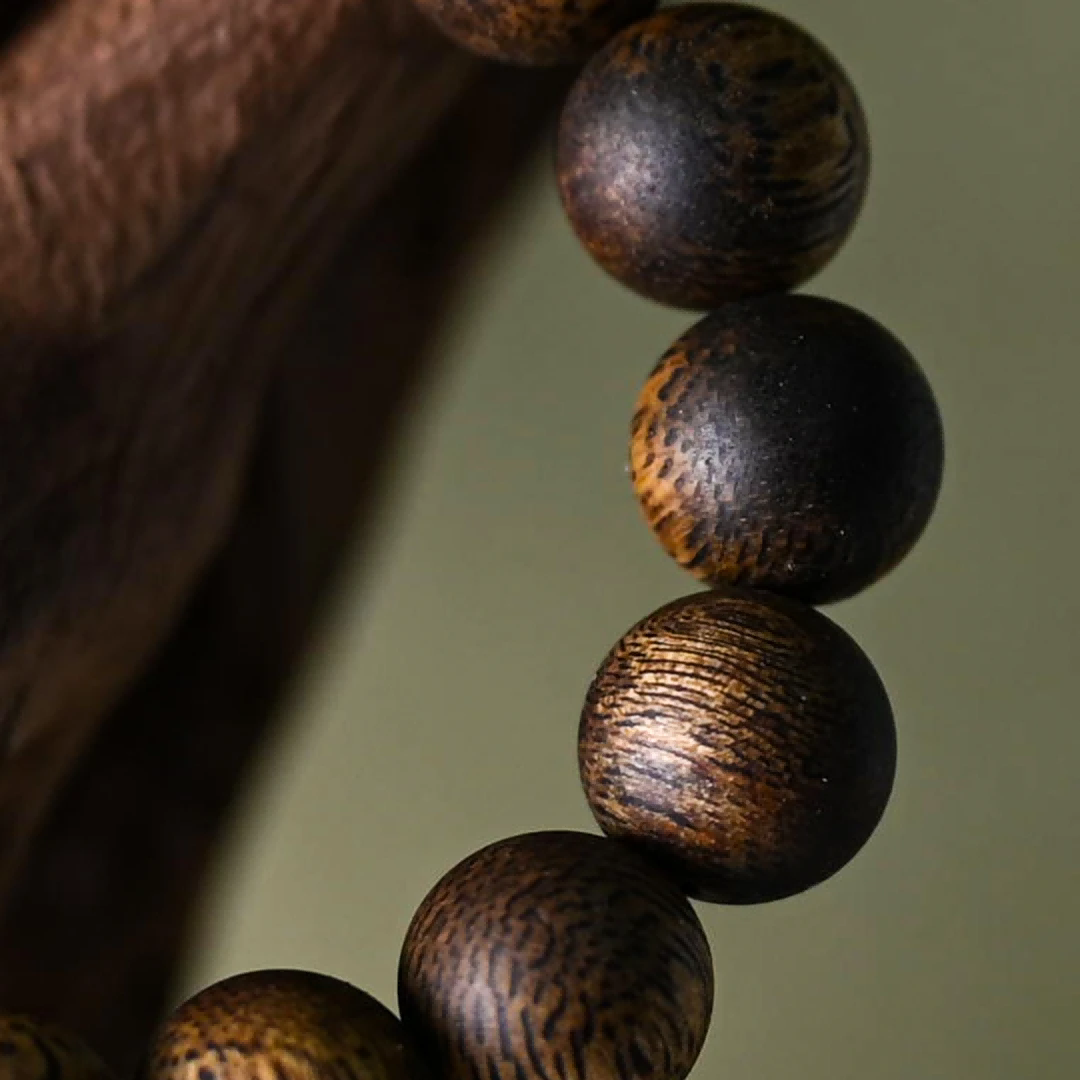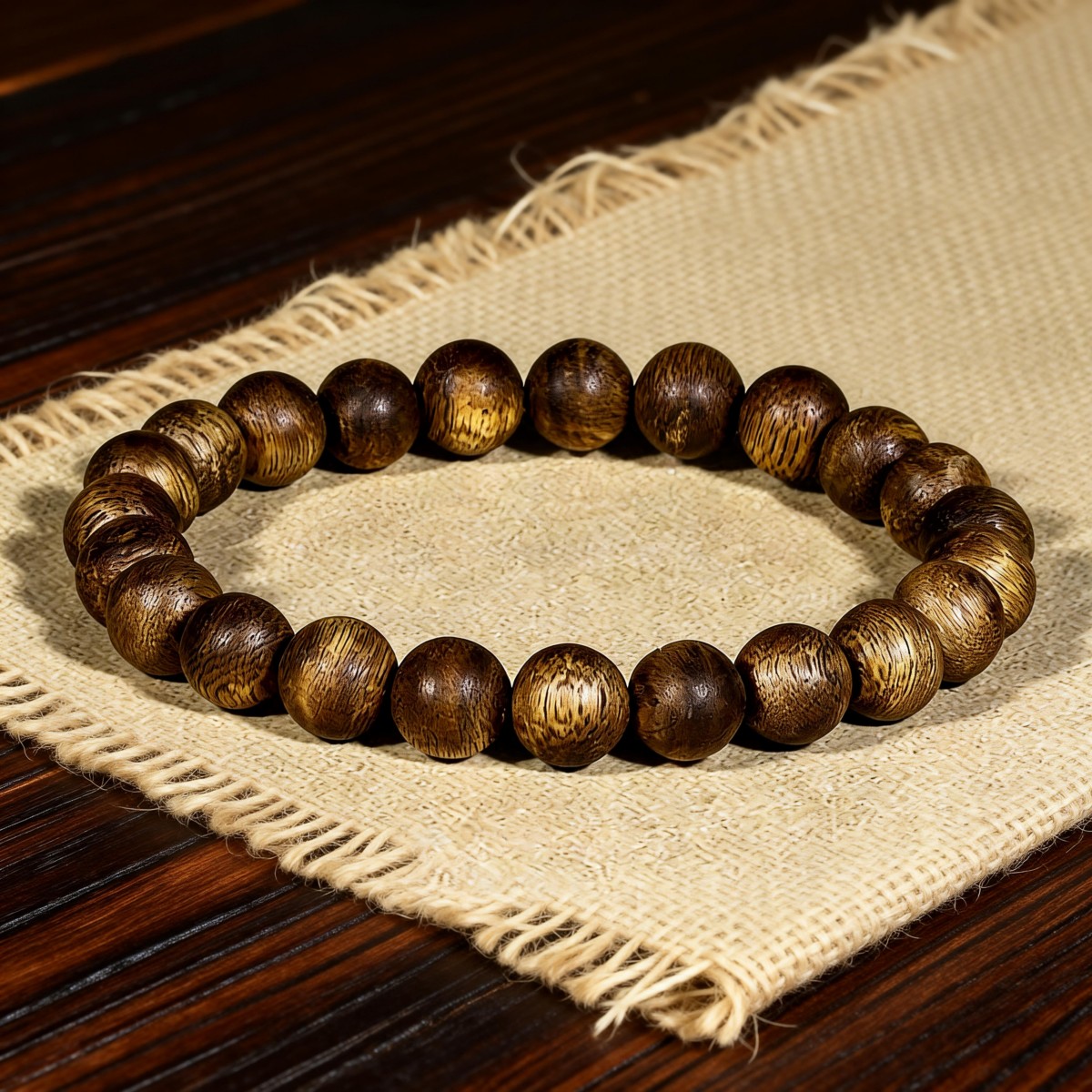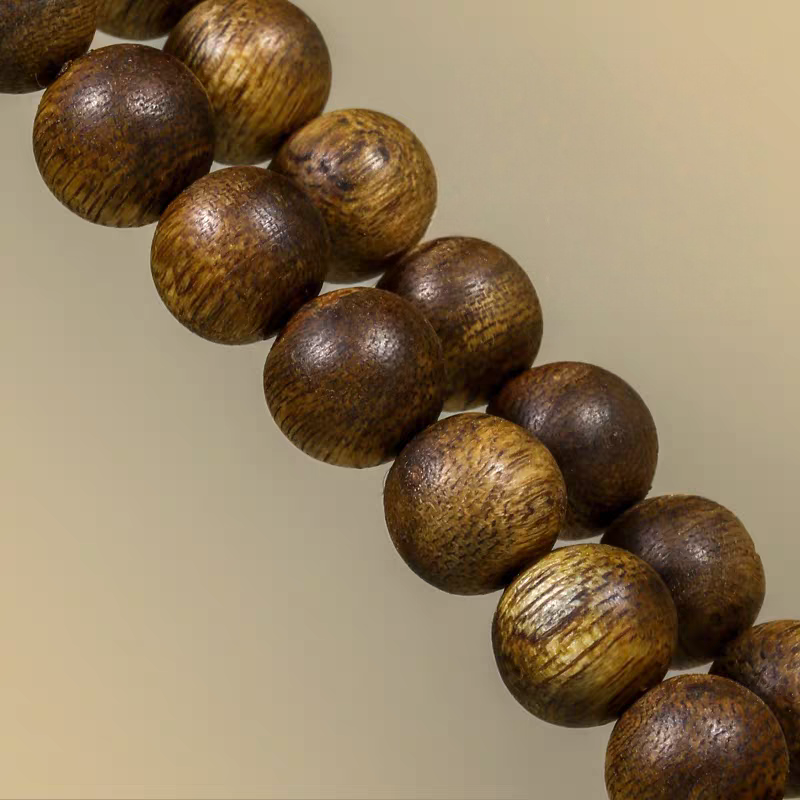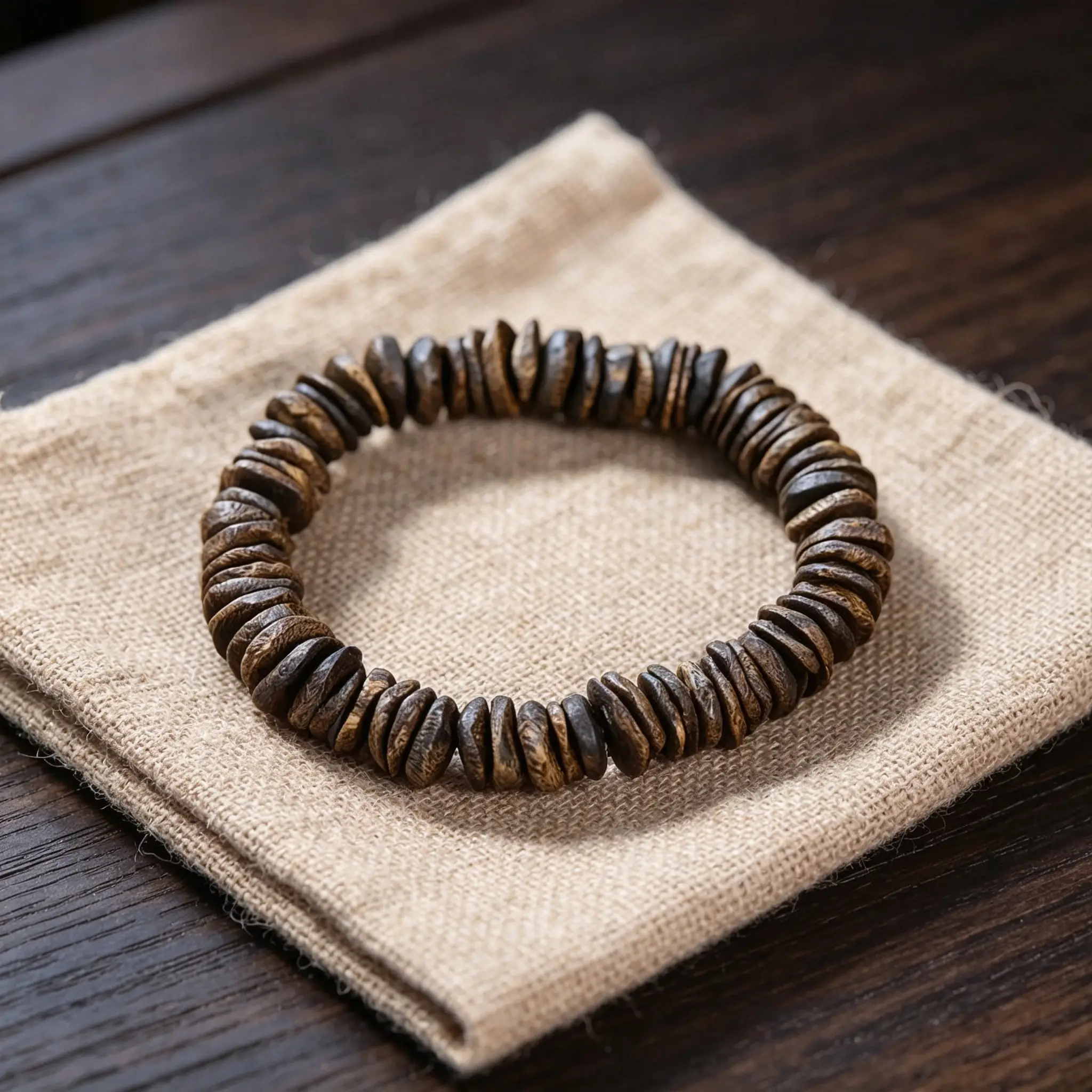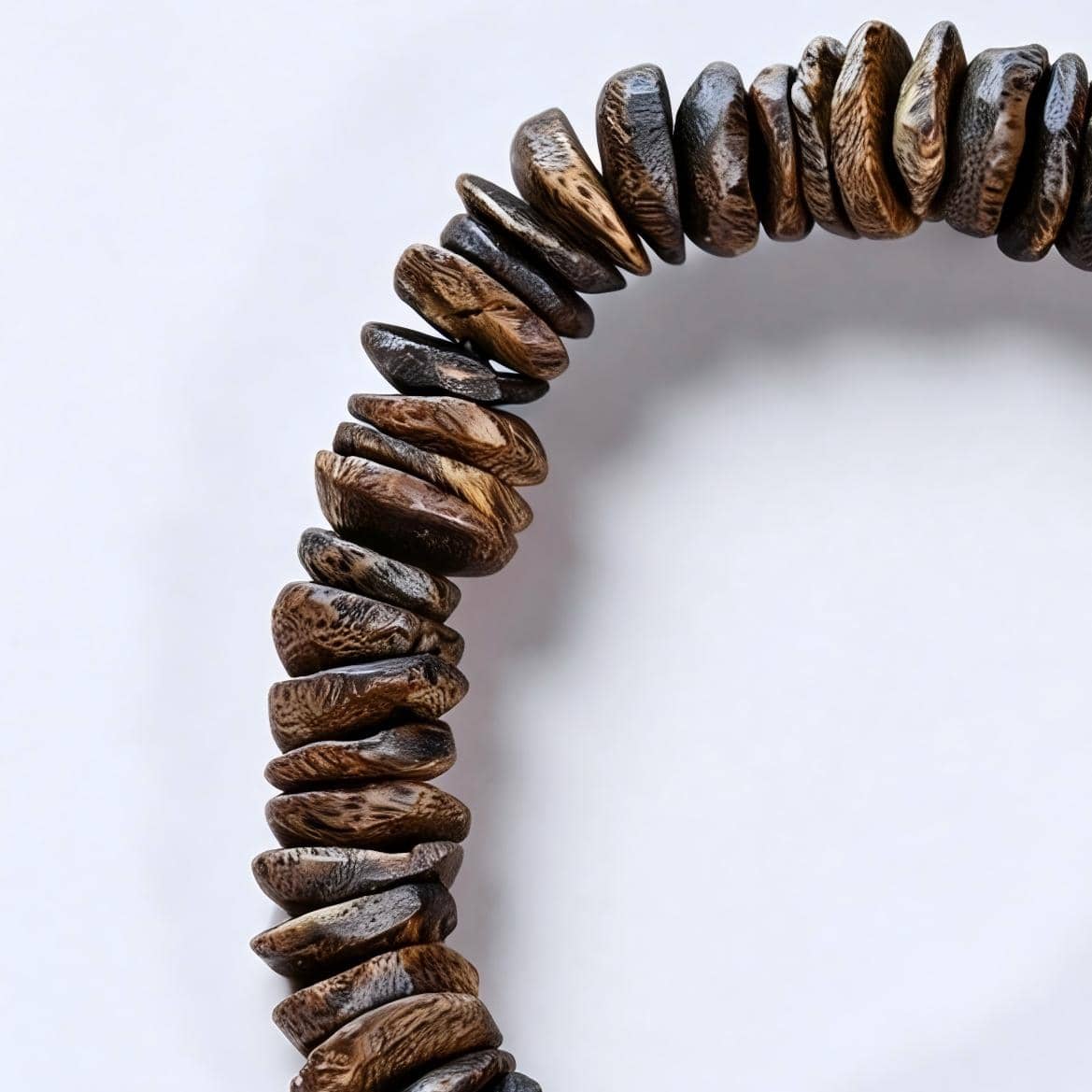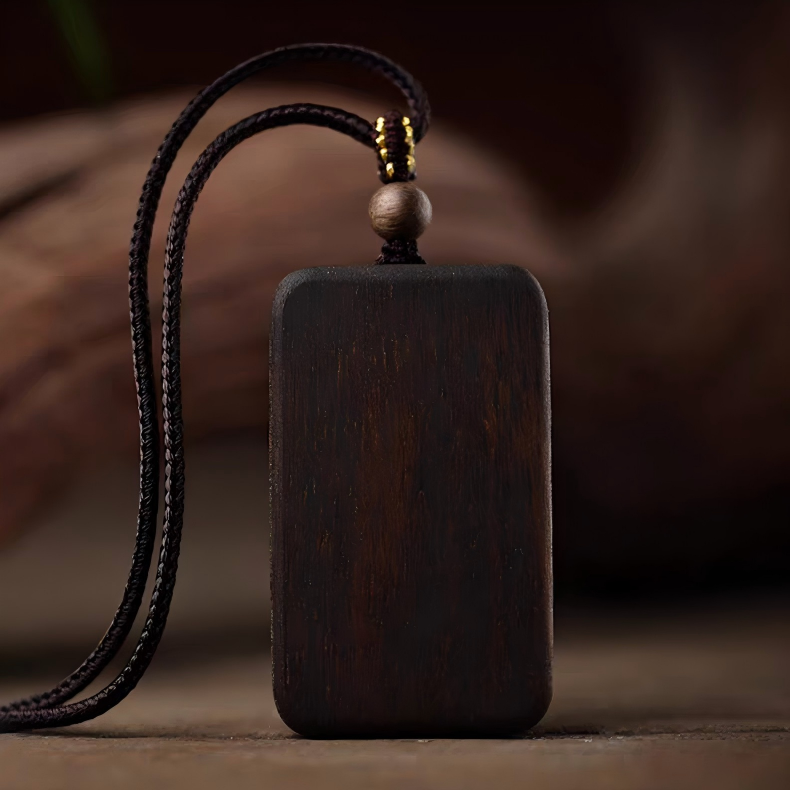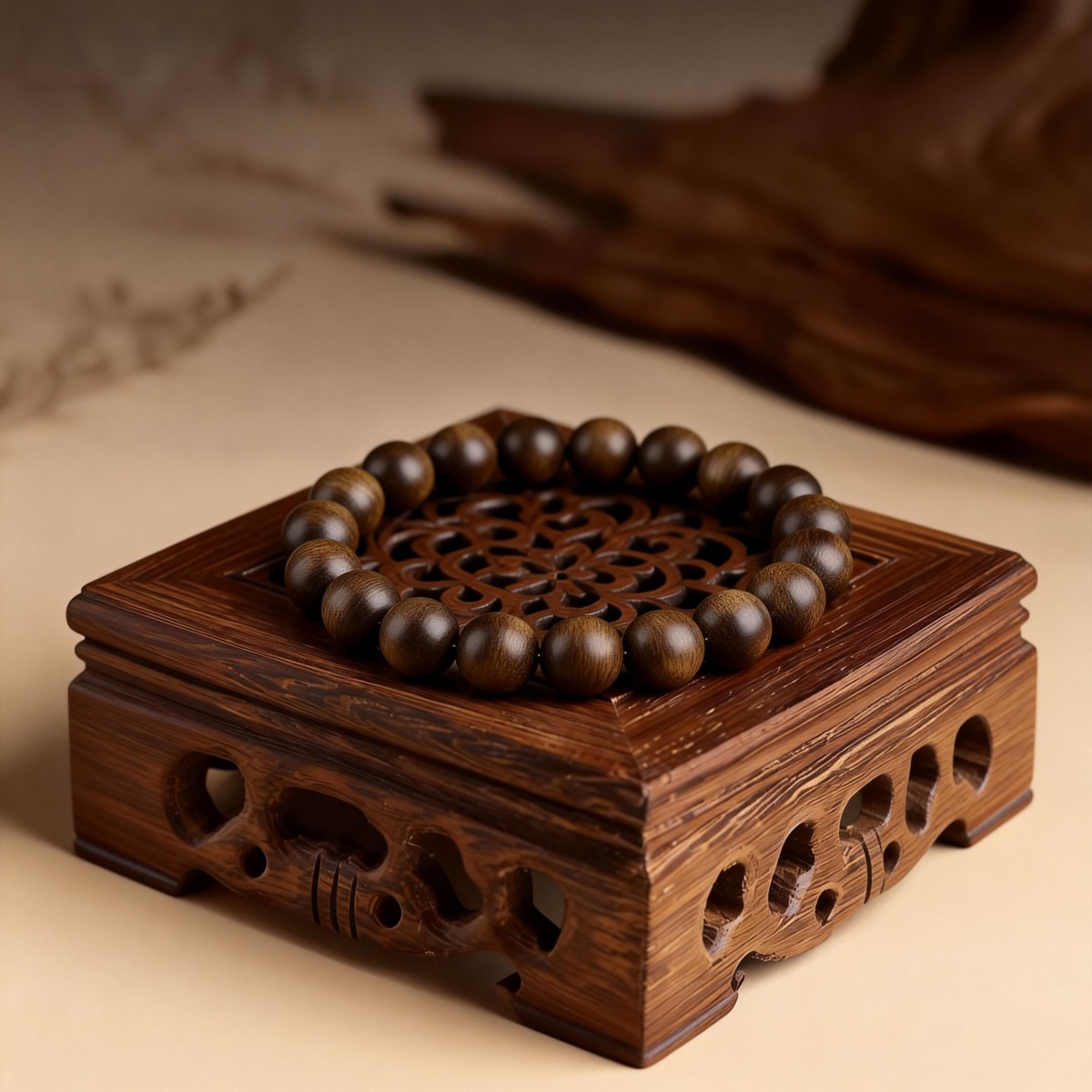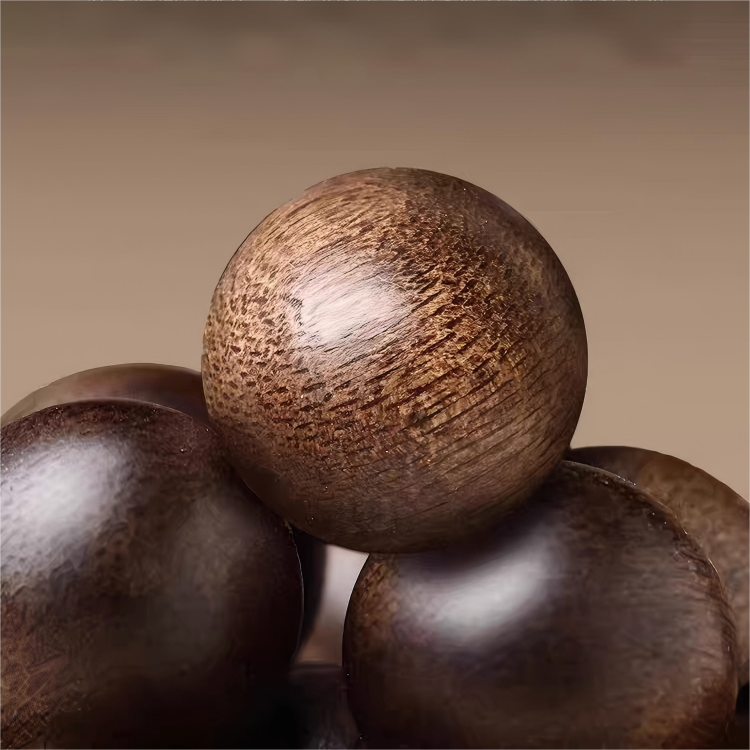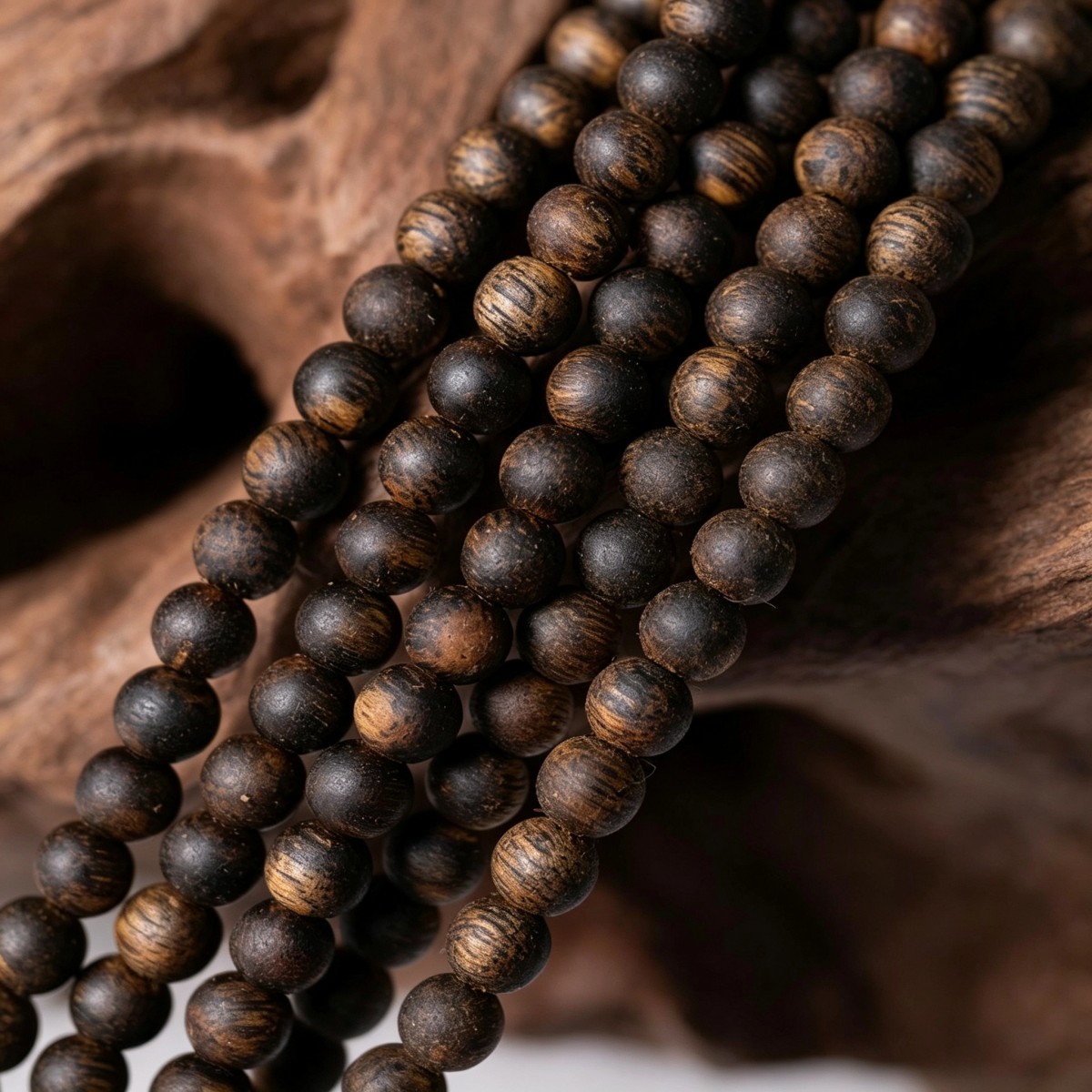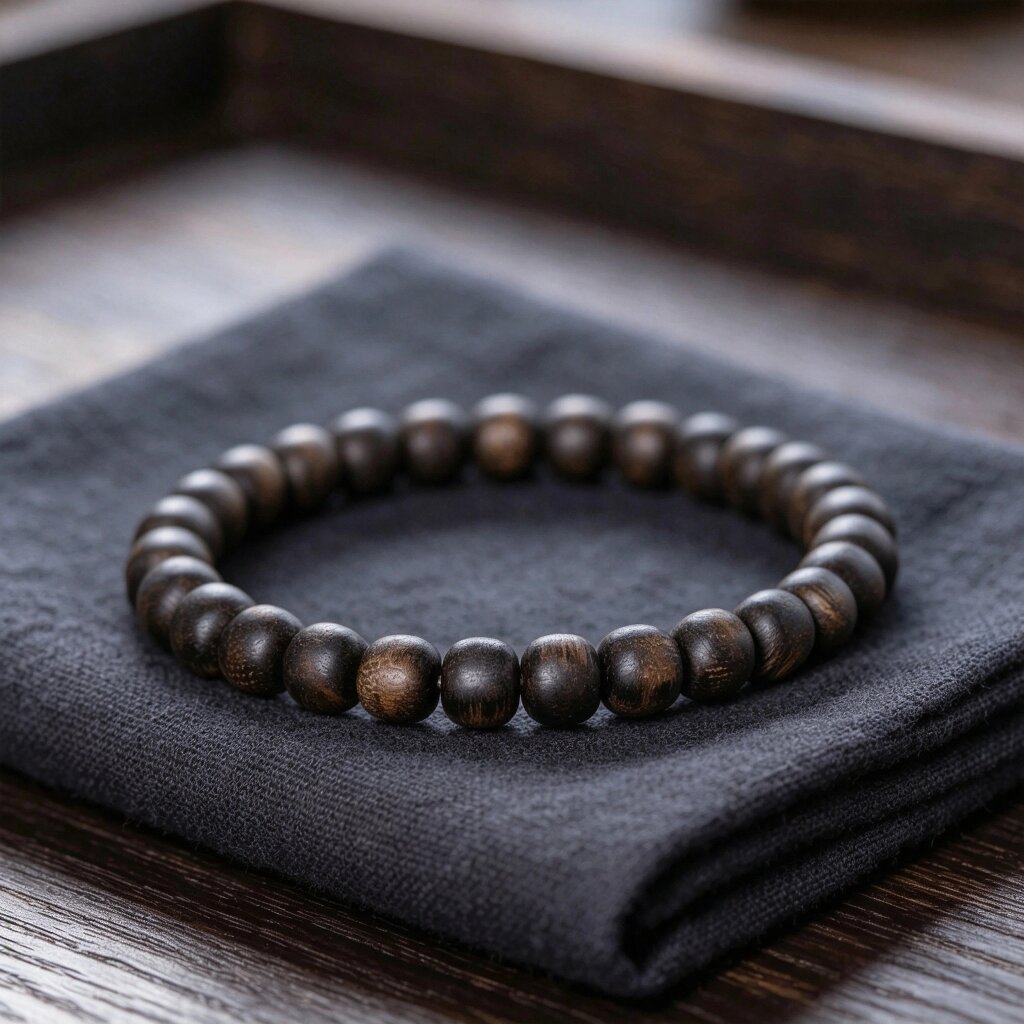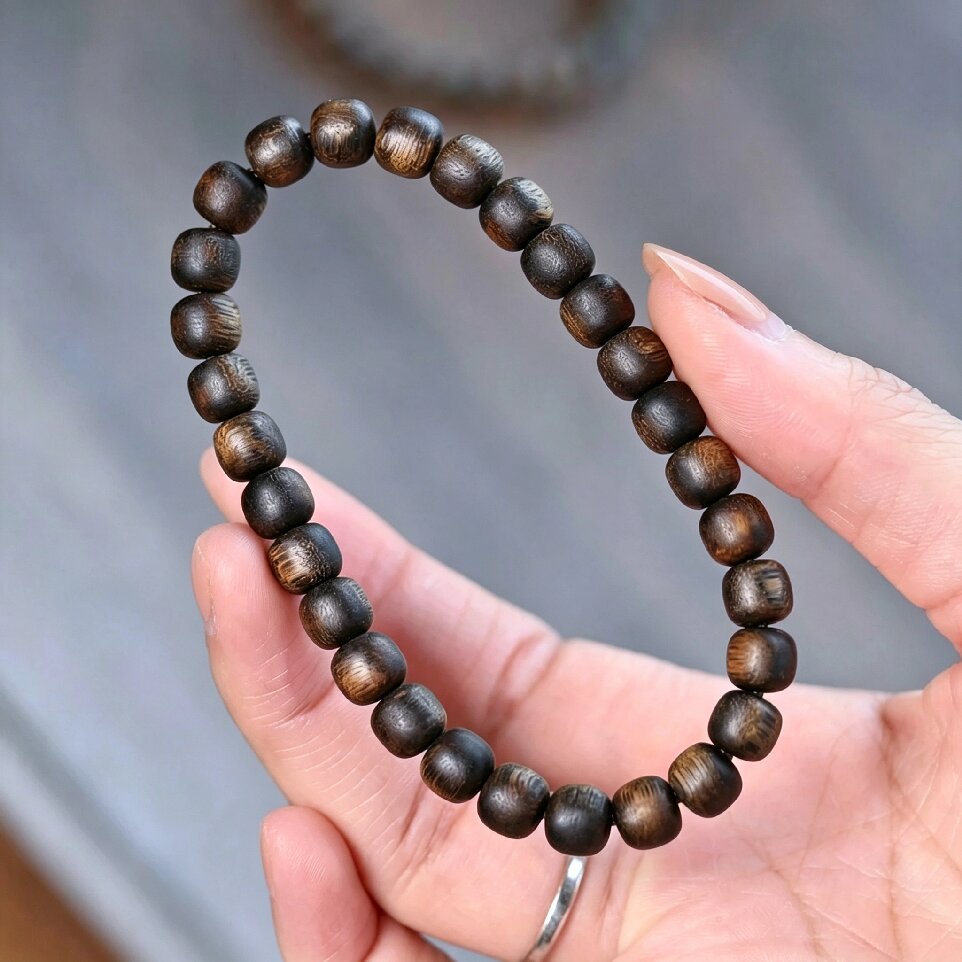
Agarwood Collection
Rare aromatic woods, selected for those who understand their cultural depth.
Not introduced.
Chosen only after familiarity with material, time, and restraint.
What is Agarwood?
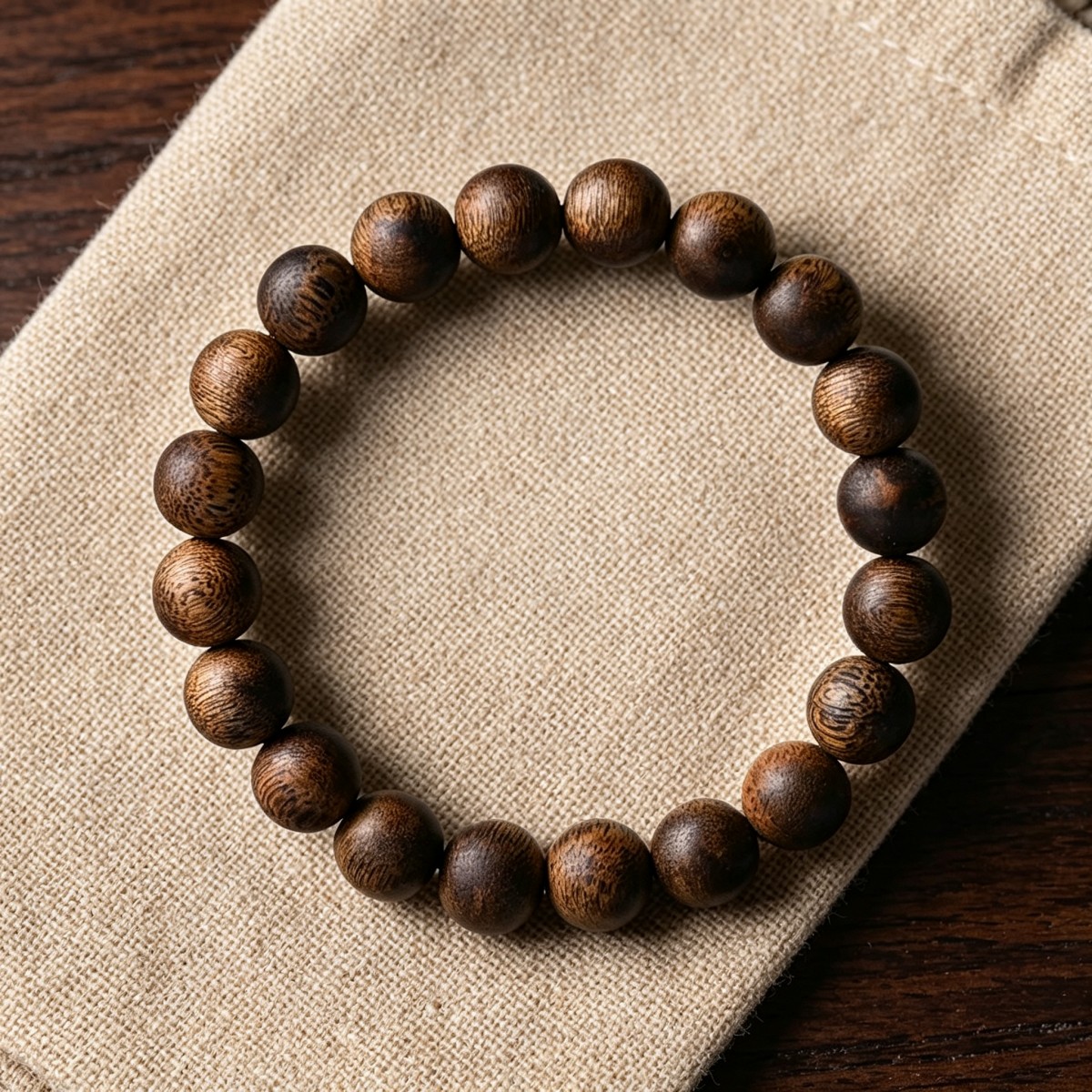
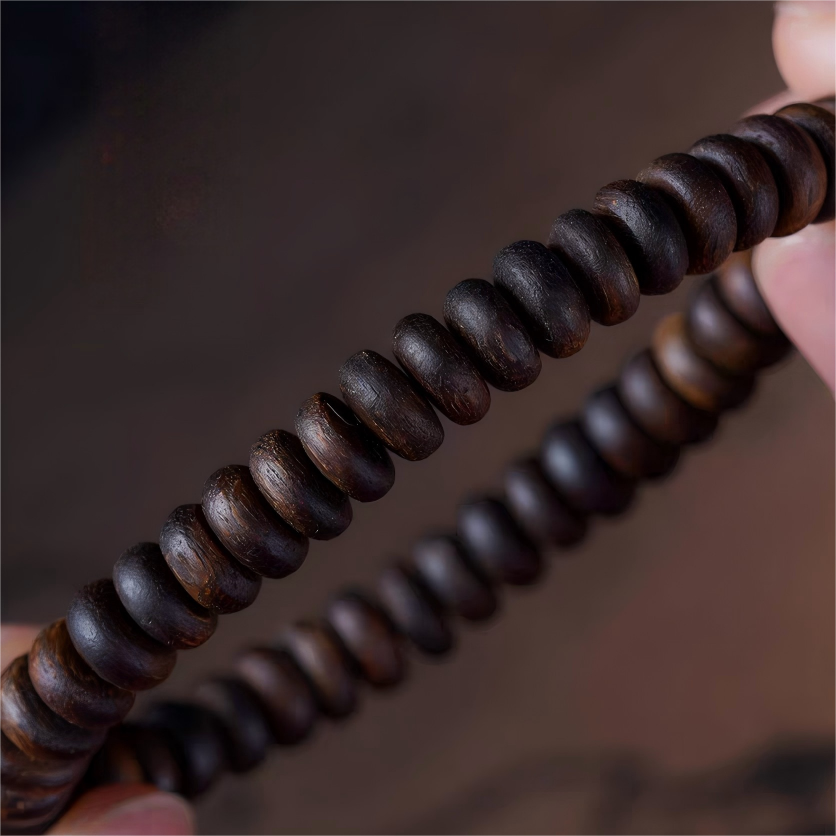
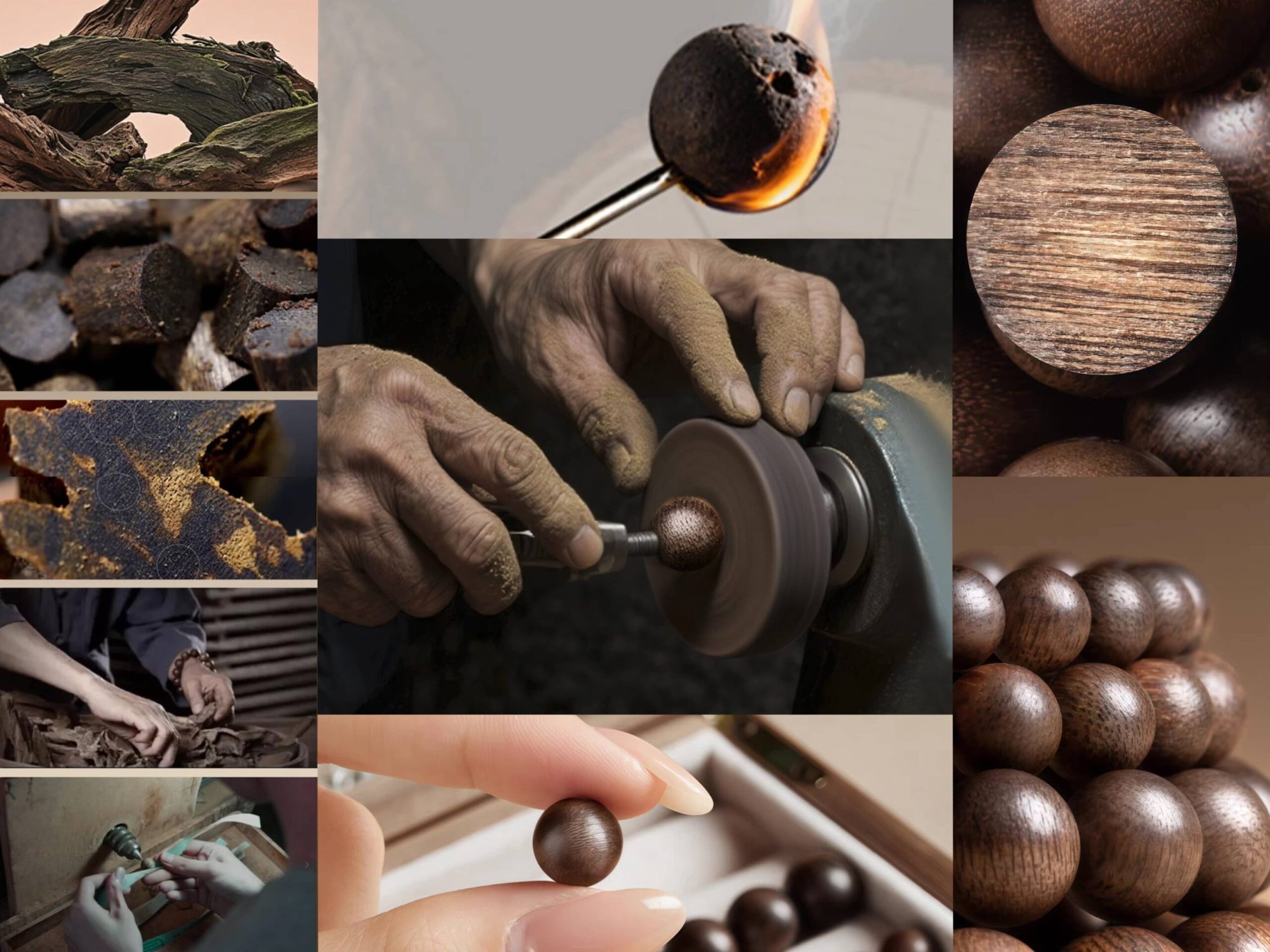
Agarwood is a naturally resin-formed wood, valued for centuries across East Asia and the Middle East. Only a small percentage of trees ever develop this resin — making true agarwood exceptionally rare. An agarwood bracelet carries this rarity quietly, shaped from material that took decades to form.
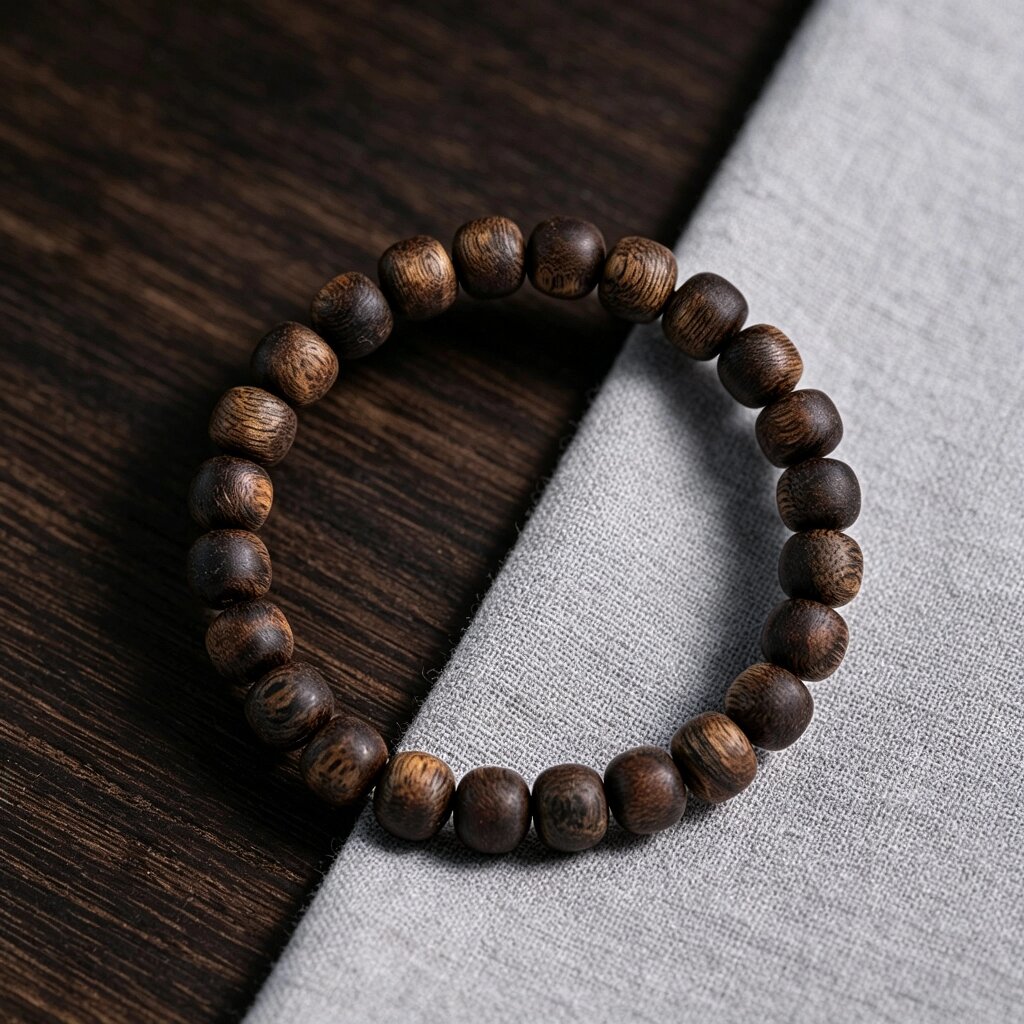
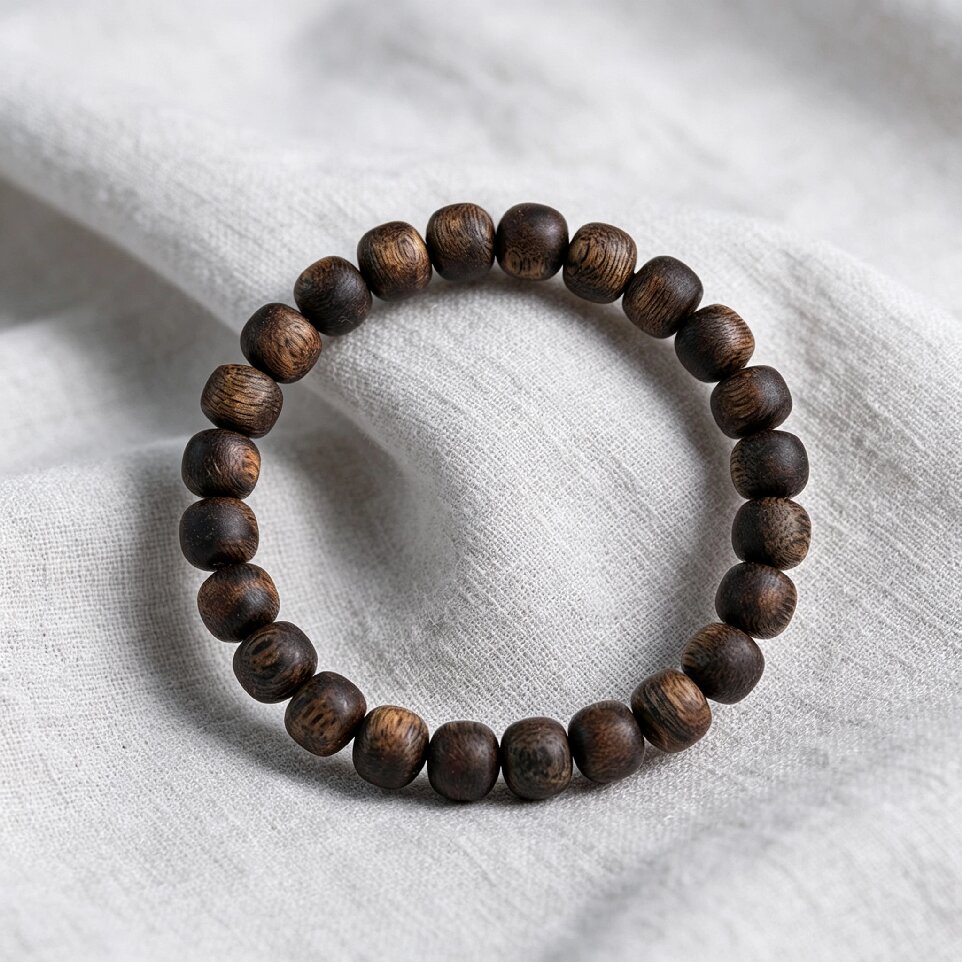
We work with small-scale wood selectors who focus on natural resin formation, aging, and scent profile. Each agarwood bracelet is chosen for density, grain structure, and aromatic character — material integrity over volume.
Choosing Your Agarwood Bracelet
Each piece carries its own character. Origin offers a guide, but the individual agarwood bracelet matters most.

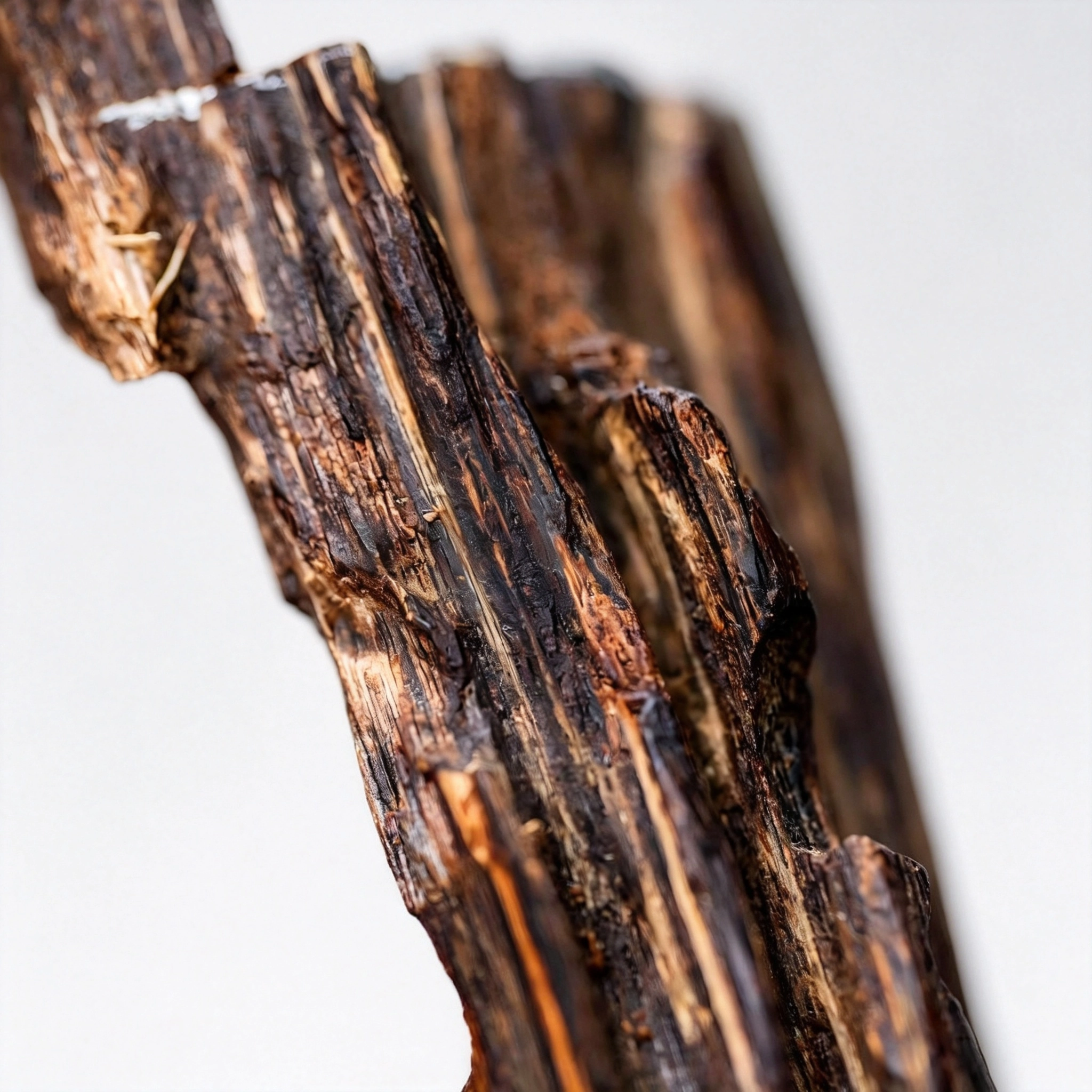
Quiet & Inward
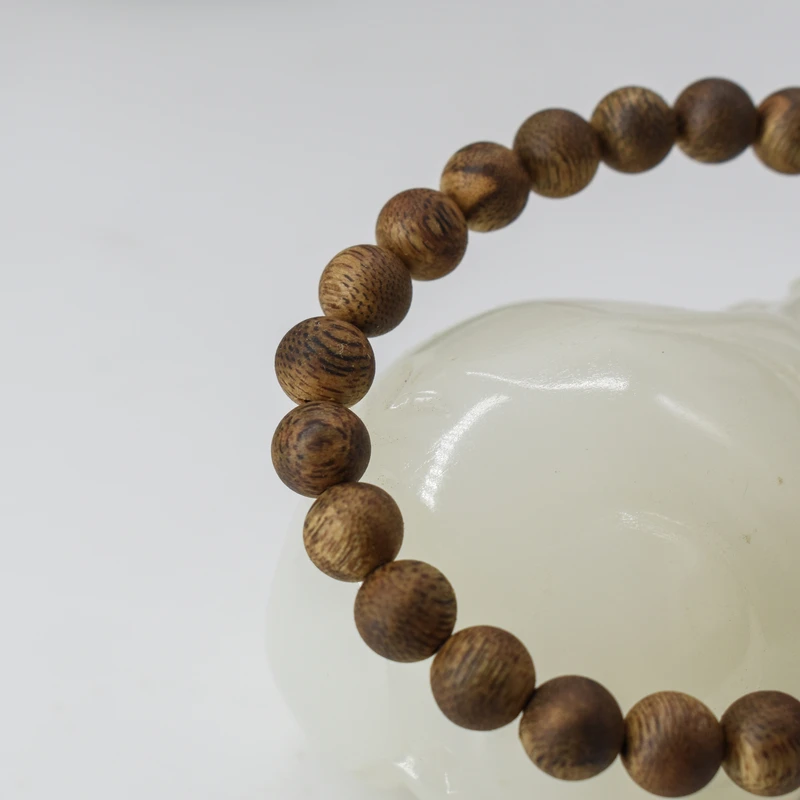
Hainan material — clean, restrained, slow to unfold. For those drawn to stillness and steady daily wear.
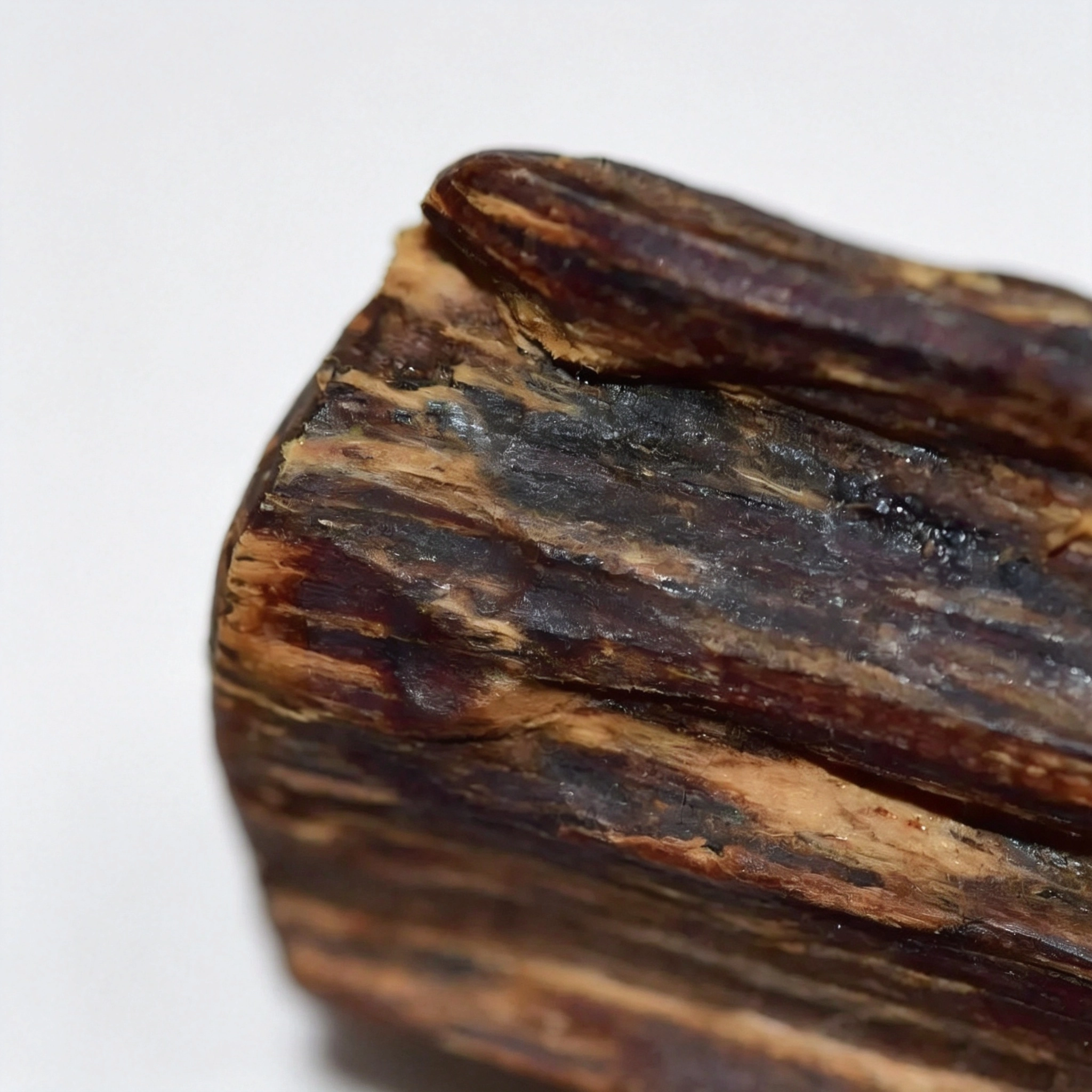
Layered & Expressive
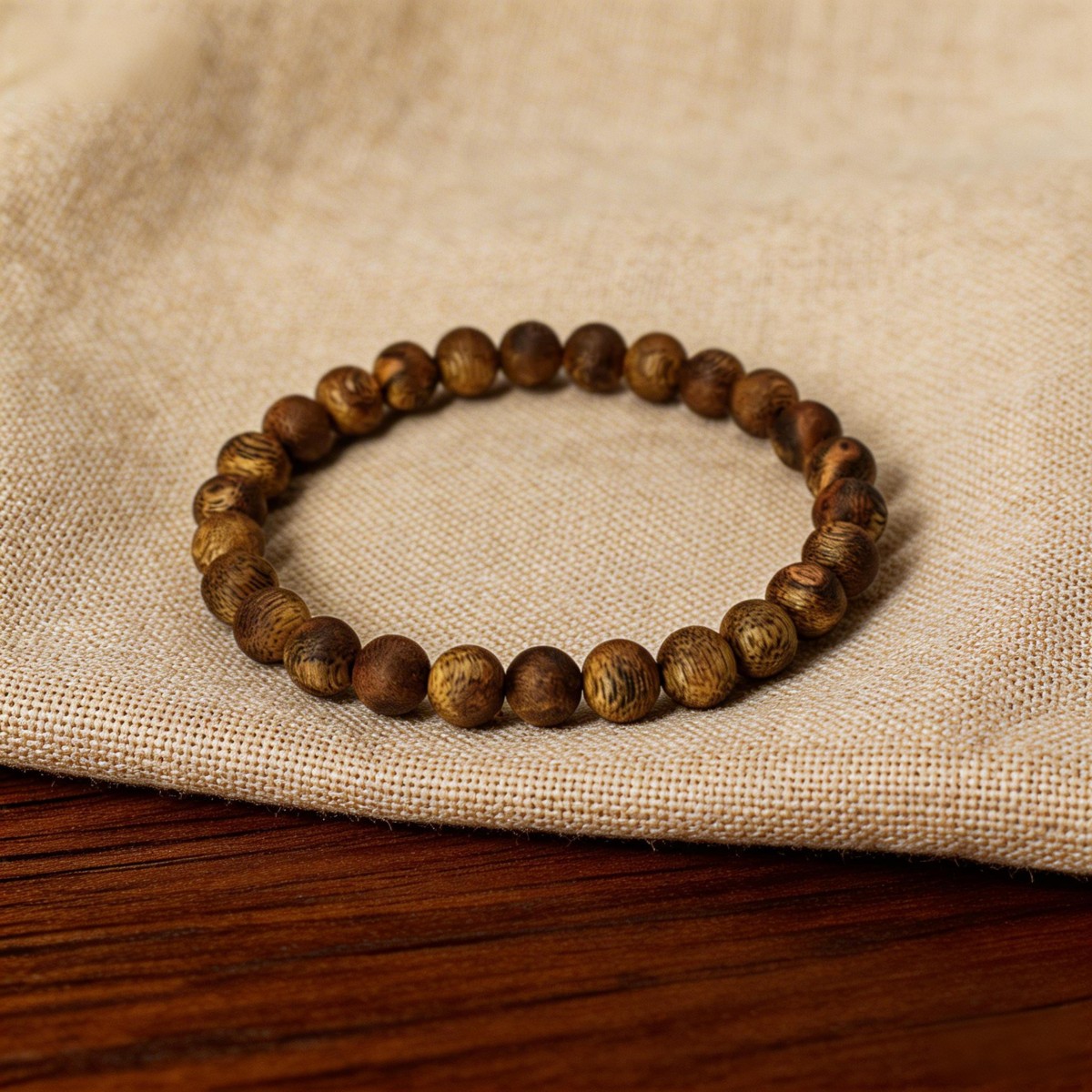
Vietnam Nha Trang material — warm, gently sweet, more openly legible. For those who prefer a clearer aromatic presence.
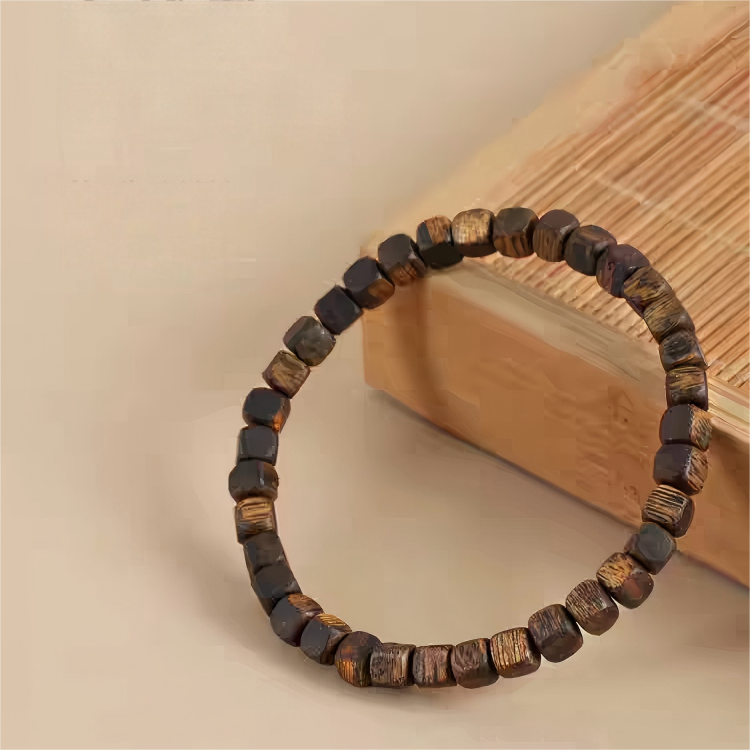
Deep & Concentrated
Kyara-style / high-resin selections — density, depth, and slower appreciation. For experienced buyers and long-term collecting. Limited availability.
Origin does not determine resin level on its own. Hainan agarwood, Nha Trang agarwood, and other regional materials may all appear across different levels of density and resin development, including sinking-grade selections.
Agarwood Bracelets · Quietly Chosen
Nha Trang Agarwood Bracelet – Refined Grade · Subtle Sweetness
$339.00 – $509.00Price range: $339.00 through $509.00Agarwood Bracelet – Vietnam Nha Trang Kyara-Grade · Collector Grade · High Resin
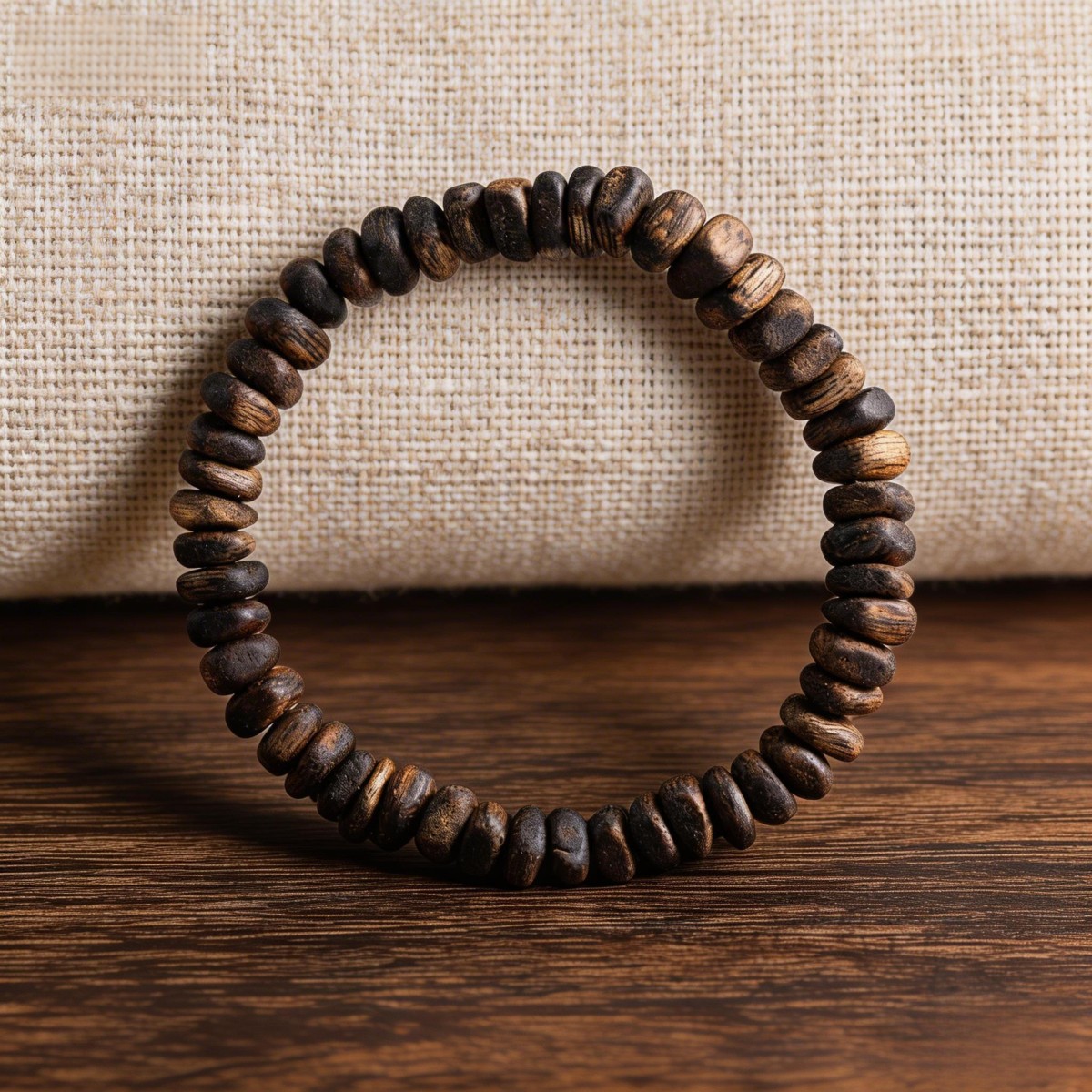
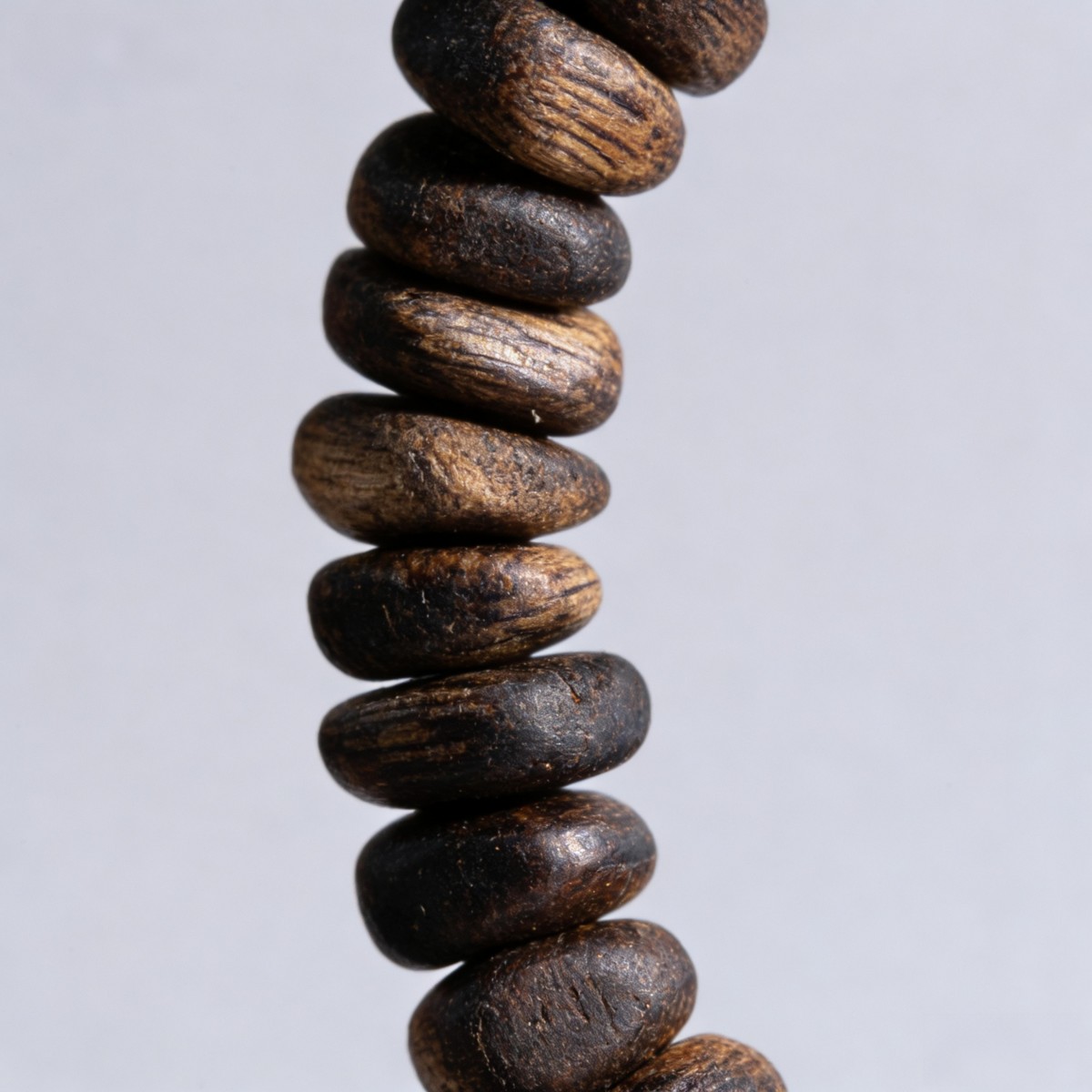
$809.00 – $1,719.00Price range: $809.00 through $1,719.00Agarwood Disc Bead Bracelet – Vietnam Nha Trang Kyara-Grade · Collector Grade · High Resin
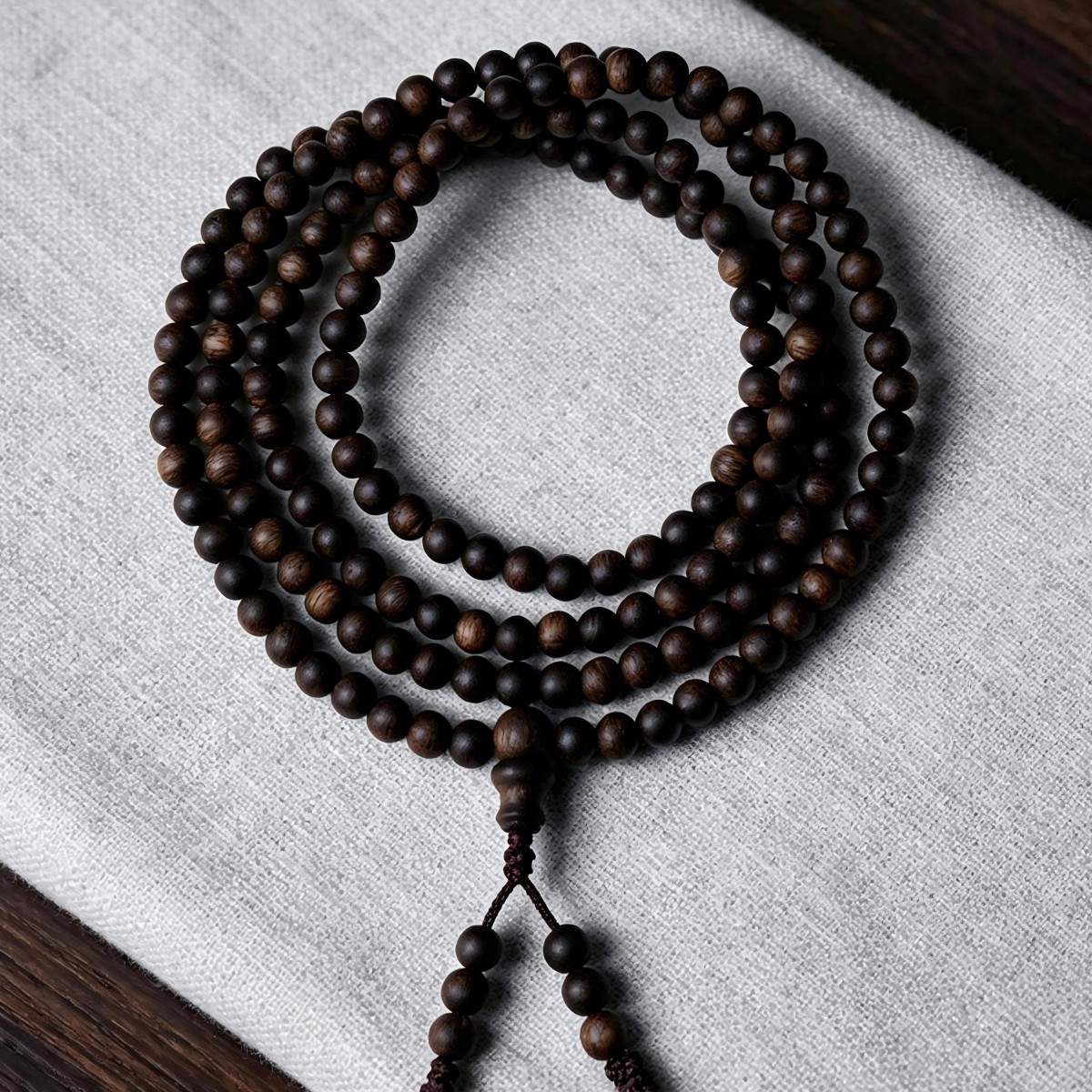
$1,059.00 – $1,179.00Price range: $1,059.00 through $1,179.00Wearing & Use
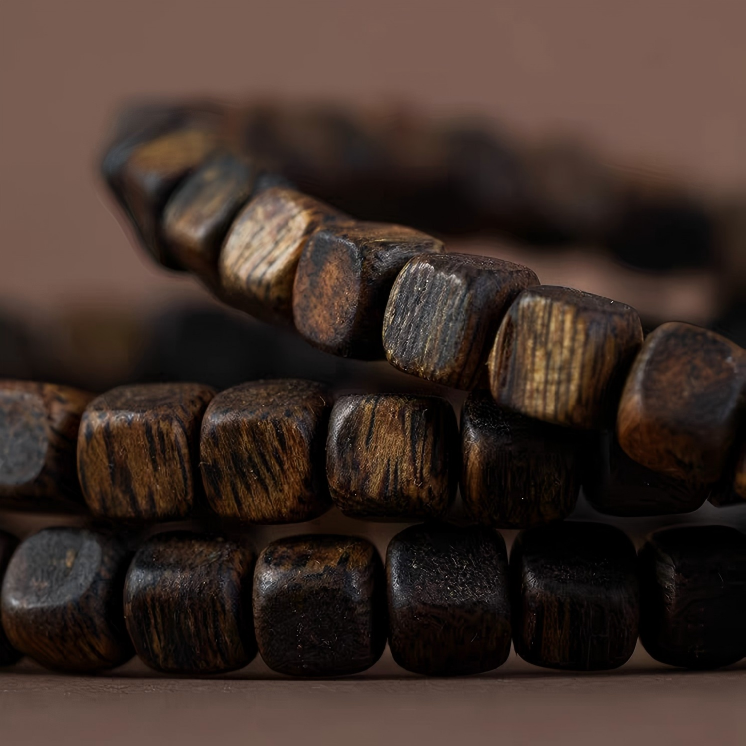
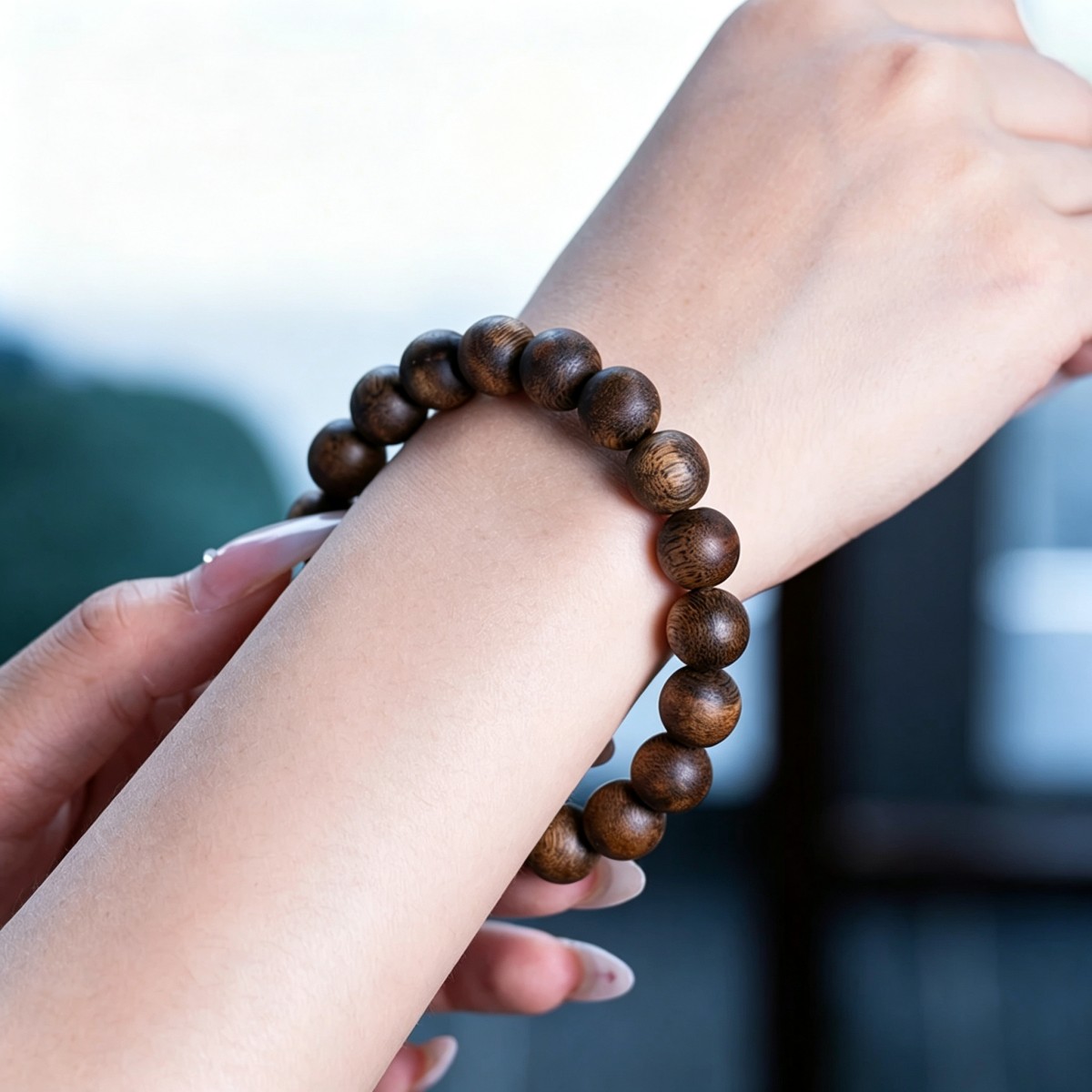
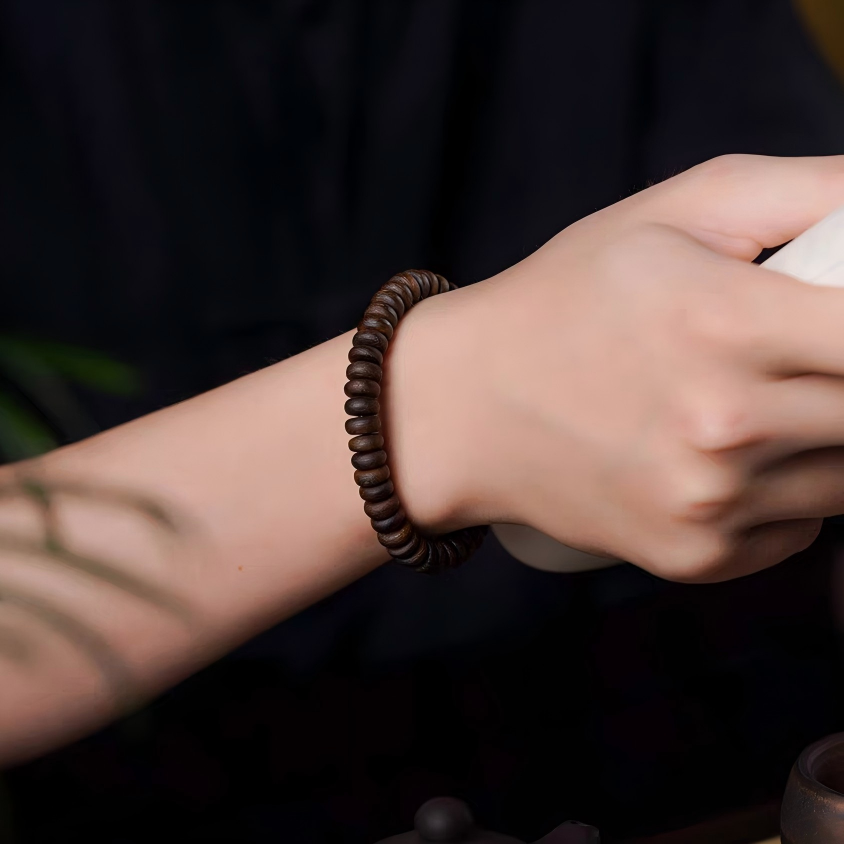
An agarwood bracelet is often worn as a personal object or kept as part of a private collection.
Many appreciate the aroma and texture of an agarwood bracelet as part of a quiet daily routine — without symbolic or ritual meaning.
Our Approach to Selection
Agarwood varies widely across regions and growing conditions.
While many origins exist, not all materials meet our selection standards.
We choose to work with a limited number of origins —
focusing on consistency, material integrity, and long-term appreciation
rather than breadth of offering.
Additional origins may appear over time,
only when they align with our criteria for density, aroma development, and sourcing transparency.
Understanding Agarwood Bracelet
What makes agarwood rare?
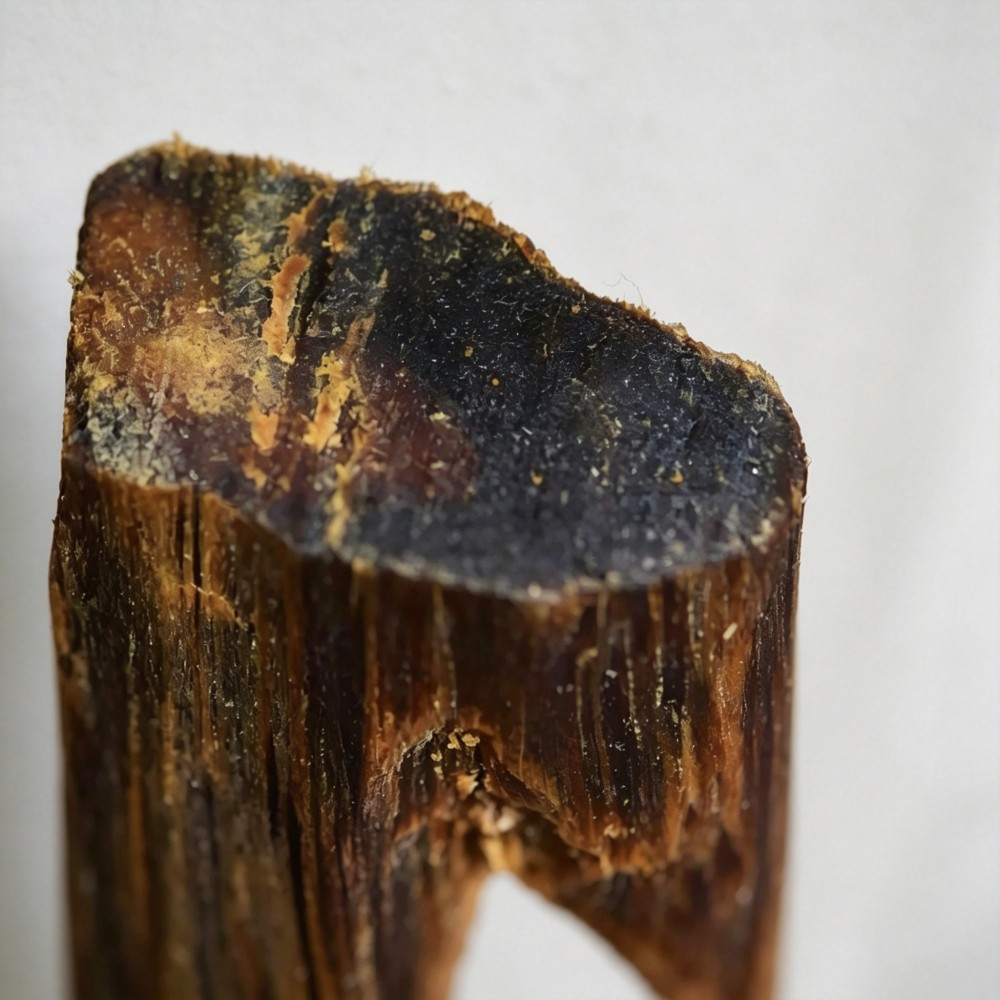
Agarwood forms naturally when certain Aquilaria trees produce resin in response to environmental conditions.
Only a small percentage of trees develop resin of sufficient density and aromatic depth to be used for agarwood bracelets.
The rarity comes from time, natural formation, and selective sourcing — not artificial enhancement.
Due to its rarity and high demand, Agarwood-bearing species are regulated under international conservation frameworks. For more information, see the CITES species database on Aquilaria.
What is the difference between Hainan, Nha Trang, and Kyara-Grade agarwood?
Hainan agarwood offers a lighter, dry aromatic profile suitable for everyday wear.
Vietnam Nha Trang agarwood presents greater warmth and resin depth, releasing scent more readily with body warmth.
Kyara-grade agarwood contains exceptionally high resin concentration and density, valued by collectors for its layered and evolving aroma.
Will the aroma of an agarwood bracelet fade?
Natural agarwood releases aroma gradually.
When worn close to the skin, warmth may gently activate its scent.
Over time, the fragrance becomes more subtle rather than disappearing, reflecting the natural aging of the material.
Are agarwood beads treated or artificially scented?
Our agarwood beads are not artificially scented or chemically treated.
Variations in aroma, grain, and density result from natural resin formation and aging conditions.
Each piece differs slightly, reflecting the material’s origin and growth history.
How should an agarwood bracelet be worn or stored?
Agarwood bracelets are often worn as personal objects or kept in a dry, well-ventilated space.
Avoid prolonged exposure to water, perfume, or extreme humidity to preserve the material’s natural structure and aroma.
Agarwood exists beyond trend and display.
Not as fragrance.
Not as belief.
But as a material chosen
only when silence is already familiar.