
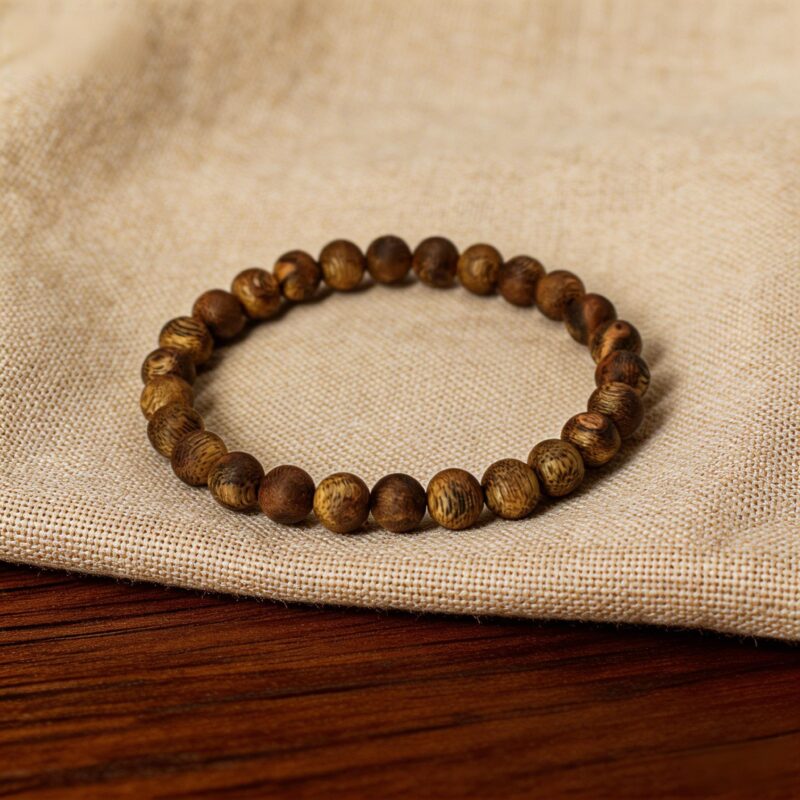
If you are wondering how to tell if agarwood is real, the short answer is this: real agarwood should be judged by material character, resin presence, aroma behavior, and seller transparency—not by one dramatic “test” alone. Genuine agarwood is a resinous wood formed in certain Aquilaria and Gyrinops trees, and its quality can vary widely depending on species, resin formation, age, and processing.
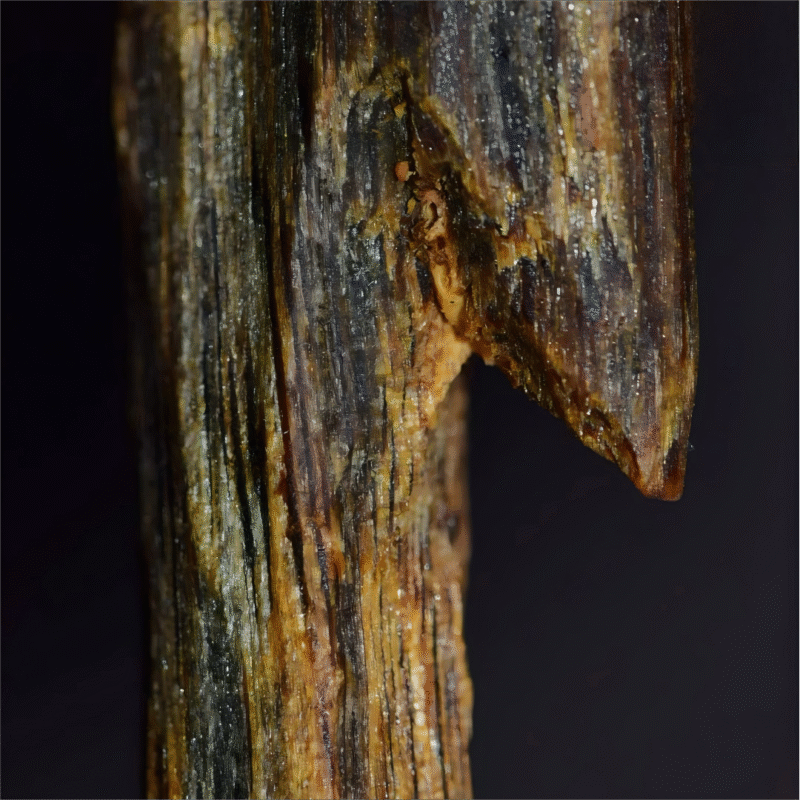
That is why buyers often get confused. Some pieces are natural and excellent. Some are low-resin material sold as premium wood. Others may be scented, dyed, oiled, or heavily polished to imitate higher grades. A careful buyer should look for a combination of signs rather than relying on one claim, one photo, or one “water test.” This guide explains what to check before you buy.
For botanical reference, see Kew Plants of the World Online – Aquilaria malaccensis.
For trade and legal context, see CITES – Agarwood-producing taxa.
For a general background on agarwood, see FAO – Agarwood overview.
What Real Agarwood Actually Is
Real agarwood is not an ordinary fragrant wood. It is the resinous heartwood that develops when certain trees—mainly from the genera Aquilaria and Gyrinops—respond to injury, infection, or other stress by producing resin. Over time, that resin changes the wood’s density, color, aroma, and value.
This matters because many buyers judge agarwood as if it were just another aromatic wood. It is not. The value of agarwood comes from resin formation, and that resin is uneven by nature. Some pieces may have deep resin saturation and rich aroma. Others may be genuine but light in resin and modest in scent. In other words, “real” does not always mean “high grade.”
How to Tell if Agarwood Is Real: 7 Things to Check
1. Look for visible resin character, not just a dark color
Many buyers assume that darker always means better. That is too simple. Real agarwood often shows resin-rich zones, darker streaks, uneven depth, and natural contrast, but color alone is not proof. Some fake or altered material can be dyed, smoked, stained, or oiled to appear older or richer than it is.
What you want to see is natural variation rather than flat, artificial uniformity. Real resinous wood often looks complex: some parts denser, some parts lighter, with transitions that feel organic rather than painted on.
2. Smell how the aroma behaves over time
One of the best ways to tell if agarwood is real is to pay attention to how the scent develops, not just how strong it is in the first second.
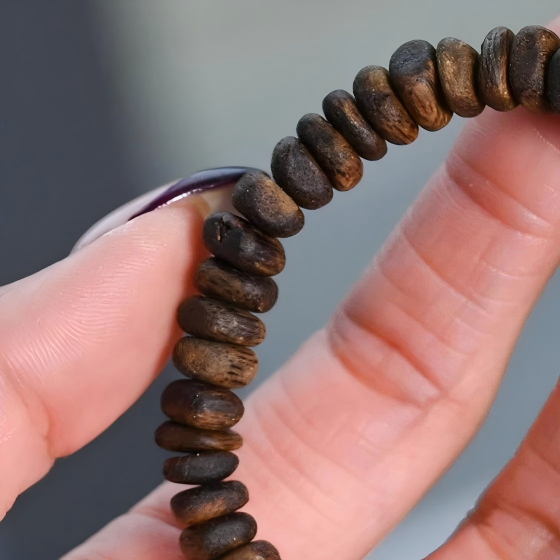
Real agarwood usually has an aroma that feels layered, deep, and evolving. Depending on origin and grade, it may open with cool, herbal, woody, sweet, earthy, leathery, or even slightly medicinal notes. What matters is not “loudness,” but depth and movement. Artificially scented wood often smells sharp, flat, perfumey, or strangely uniform from start to finish.
A strong smell is not automatically a good sign. In fact, a piece that smells overly aggressive, sweet in a synthetic way, or identical across every angle may deserve more scrutiny.
3. Check whether the seller explains resin, not just species or origin
A reliable seller usually talks about resin content, grain, density, scent profile, treatment status, and intended use. A weak seller often hides behind vague claims like “premium oud,” “wild agarwood,” or “top grade” without explaining why. Because agarwood quality varies so much, good listings should describe the material, not just romanticize it.
Useful signs in a listing include:
- species or source information when available
- whether the wood is natural, induced, wild, or plantation-derived
- whether it is untreated
- how the aroma is described in specific terms
- whether photos show grain and resin detail clearly
4. Treat the “sink in water” test as one clue, not the whole answer
Many buyers ask whether real agarwood should sink. The answer is: sometimes, but not always.
Higher resin content often increases density, and traditional grading in some markets has considered whether material sinks in water. But not all genuine agarwood sinks, and not all sinking material is automatically high quality. Size, shape, moisture, cut, and resin distribution all affect behavior in water. A “sinking test” may tell you something about density, but it is not a complete authenticity test.
So if a seller uses “sinks in water” as the only proof, that is not enough. It should be part of a broader explanation, not the entire story.
5. Watch for surface treatments
Polish, oil, wax, or added fragrance can hide the true condition of the wood. A heavily coated piece may feel unnaturally glossy, greasy, or overly smooth. Some treated material also leaves a residue or carries a scent that sits on top of the wood rather than emerging from within it.
Real agarwood can develop a beautiful natural sheen over time, especially with handling, but that is different from a surface finish designed to simulate resin richness. When in doubt, ask directly: Has this piece been polished, coated, or artificially scented?
6. Ask how the aroma changes with warmth
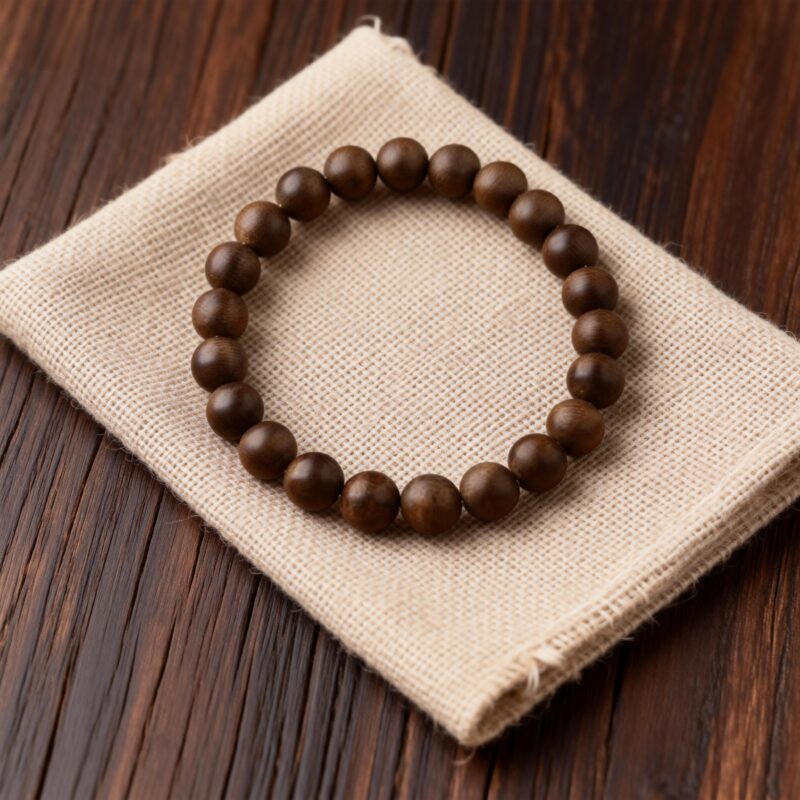
Real agarwood often reveals more of itself with body warmth, friction, or gentle heating. That does not mean you should perform destructive tests. It simply means that authentic resinous wood usually shows more complexity when warmed slightly in the hand or worn over time.
A useful seller should be able to explain whether the aroma stays close to the material, whether it opens gradually, and whether it changes with handling.
7. Judge the seller as carefully as the wood
Because agarwood is valuable and grading is inconsistent across markets, seller trust matters enormously. CITES materials and other reviews have repeatedly noted that agarwood trade involves multiple product forms, sources, and standards, which makes easy, universal grading difficult.
A seller is more trustworthy when they:
- avoid exaggerated miracle claims
- describe both strengths and limitations
- show detailed close-up photos
- explain origin and treatment honestly
- can answer technical questions without becoming vague
If the listing sounds too absolute, too mystical, or too perfect, slow down.
Common Signs of Fake or Overstated Agarwood
If you want a practical shortlist, these are some of the most common warning signs:
Red flags
- an unnaturally strong perfume-like smell
- uniform black color with no believable grain variation
- glossy coating with no disclosure
- “wild” or “top grade” claims with no supporting detail
- no mention of treatment status
- dramatic authenticity promises based on one test only
- prices that seem impossibly low for the claimed grade
A low price does not always mean fake, but it often means the grade is lower than advertised—or that the seller is not telling the full story.
Is Plantation Agarwood Real?
Yes. Plantation agarwood can be real.
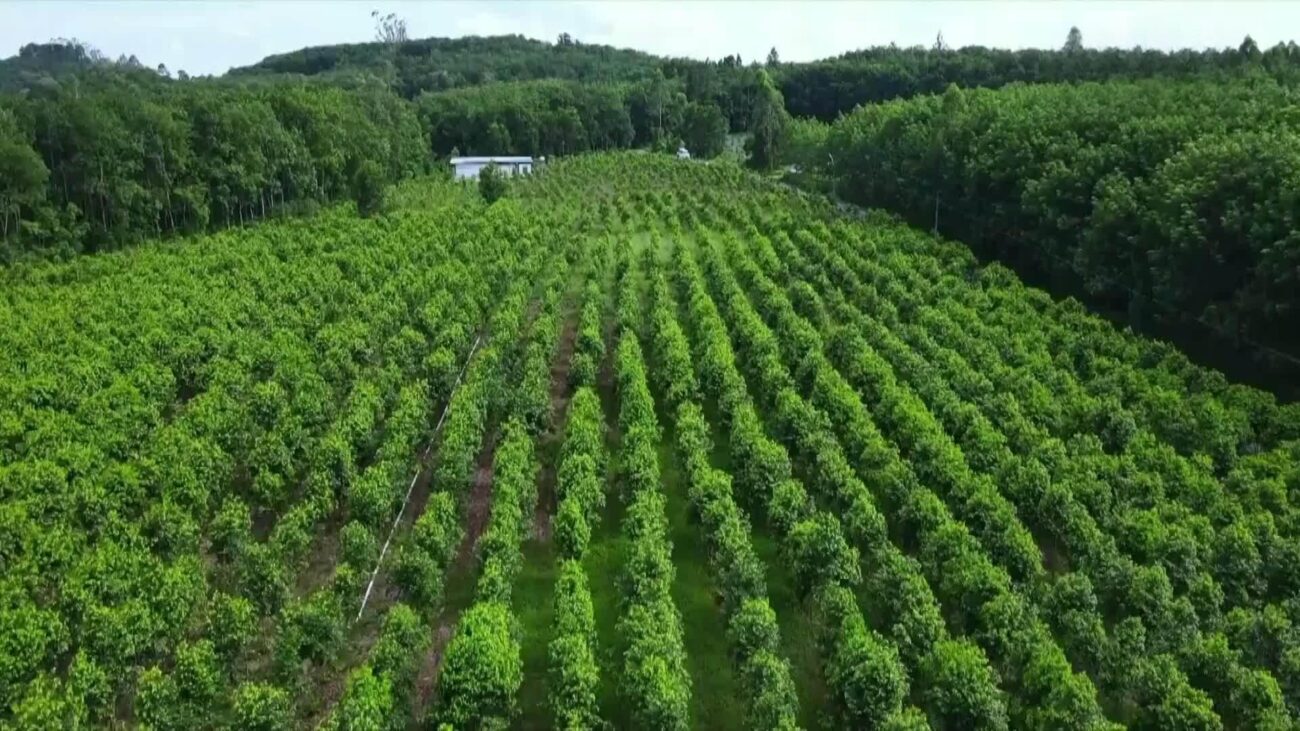
This is an important point because many buyers wrongly assume that only wild agarwood is authentic. In reality, real agarwood can come from wild or cultivated trees, including trees where resin formation has been induced. The key question is not simply whether the tree was wild or planted, but how much resin formed, how the material smells, and how honestly the seller describes it. CITES and other sources specifically recognize trade in products from artificially propagated sources under permit systems.
So the right question is not “wild or fake?” It is “What is the real material quality here?”
Can You Tell If Agarwood Is Real From Photos Alone?
Only partly.
Photos can help you assess grain, resin contrast, shape, craftsmanship, and seller transparency. They cannot fully confirm aroma behavior, treatment status, or internal resin distribution. If you are buying online, the best approach is to combine:
- clear close-up images
- specific material description
- treatment disclosure
- scent profile notes
- return policy
- seller reputation
For expensive purchases, lab testing or highly experienced evaluation may be the only way to move from “strong confidence” to true verification.
The Best Buyer Mindset: Think in Levels, Not Absolutes
A lot of confusion comes from treating agarwood like a yes-or-no category.
A better mindset is:
- Is it real?
- How resinous is it?
- Has it been treated?
- How good is the aroma?
- Is the price fair for that level?
This framework is more useful than chasing myths.
Because the truth is: a piece can be real but low grade. It can be genuine but lightly resinous. It can be authentic but not worth the asking price. And that is exactly why buyer education matters.
Final Thoughts: How to Buy Real Agarwood With More Confidence
If you want to know how to tell if agarwood is real, start by ignoring shortcuts.
Do not rely on one dramatic test, one poetic origin story, or one dark photo. Instead, look for the combination that matters: natural resin character, evolving aroma, untreated surface, honest seller language, and realistic pricing.
Real agarwood rewards patience. The right piece usually does not need theatrical claims. It only needs to be described clearly, shown honestly, and understood for what it is.
Explore our collection of certified, handcrafted agarwood bracelets and objects.
FAQ
Does real agarwood always sink in water?
No. Sinking can indicate higher density or resin content, but it is not a complete authenticity test. Some genuine agarwood does not sink, and sinking alone does not prove top quality.
Can fake agarwood smell strong?
Yes. Artificially scented or treated wood can smell very strong at first. Strength alone is not proof of quality or authenticity.
Is plantation agarwood fake?
No. Plantation agarwood can be real. The important issue is the actual resin formation, aroma quality, and honesty of the seller’s description.
What is the safest way to buy agarwood online?
Buy from sellers who provide detailed photos, treatment disclosure, specific scent descriptions, and realistic material information. Avoid vague superlatives and “too good to be true” pricing.
Why is agarwood so expensive?
Agarwood forms only when resin develops in certain trees, and that process is variable, slow, and difficult to standardize. It is also subject to conservation and trade controls in international markets.