
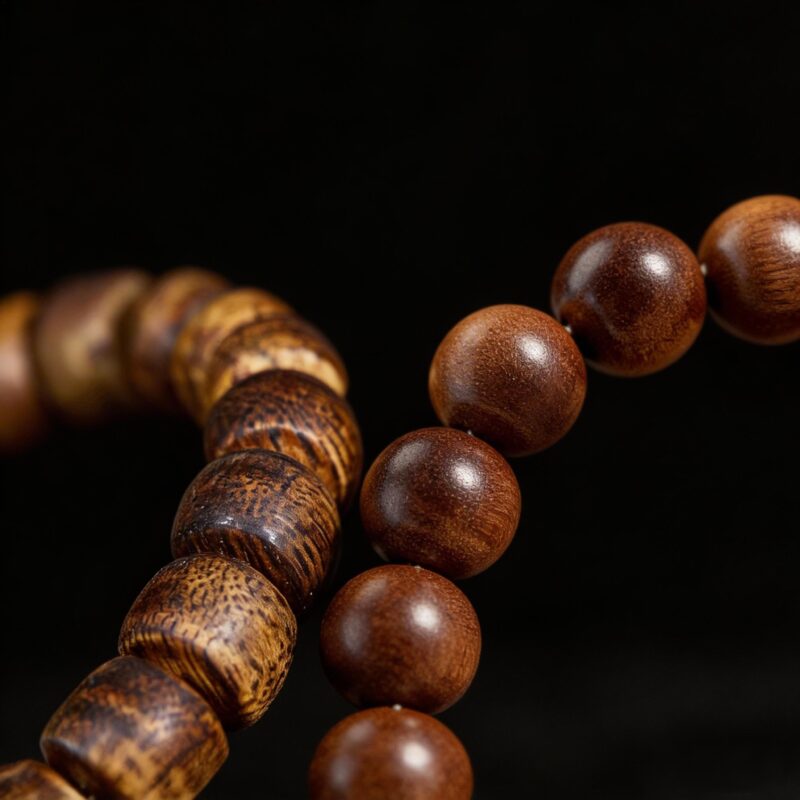
Two Woods That Shaped the Culture of Incense
Among the many aromatic materials used throughout the history of incense, two stand above the rest:
Agarwood and Sandalwood.
Both have been valued for centuries across Asia and the Middle East. They appear in meditation halls, temples, tea rooms, and personal rituals of quiet reflection.
Yet despite often being mentioned together, these two woods are fundamentally different.
Their origins, scent structures, and cultural meanings follow separate paths.
Understanding the difference between agarwood and sandalwood reveals not only two fragrances, but two philosophies of scent.
What Is Agarwood?
Agarwood forms when trees of the Aquilaria genus become naturally infected by a specific type of mold. In response, the tree produces a dark aromatic resin to protect itself.
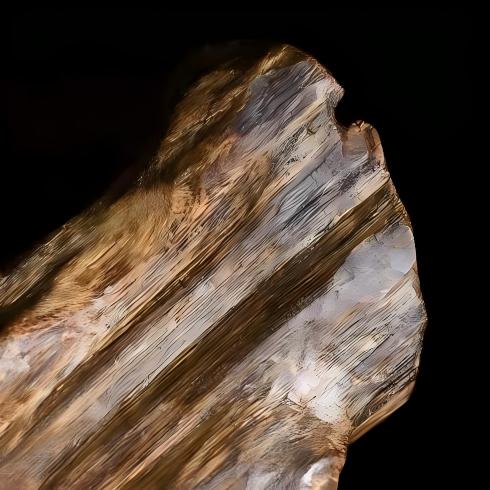
Over time this resin saturates the wood, creating the dense and fragrant material known as agarwood.
The rarer the resin formation, the darker and heavier the wood becomes.
High-grade pieces may even sink in water, a characteristic historically associated with exceptional quality.
For a botanical explanation of agarwood formation, see research from the Royal Botanic Gardens, Kew
https://www.kew.org/plants/agarwood
What Is Sandalwood?
Sandalwood, particularly the species Santalum album, develops its fragrance differently.
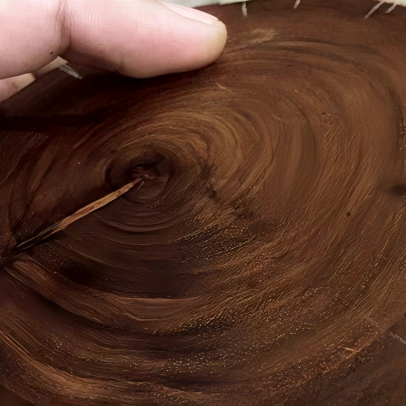
Rather than resin formation, the scent comes from aromatic oils that accumulate naturally in the tree’s heartwood as it ages.
These oils take decades to mature.
The longer the tree grows, the richer and smoother the fragrance becomes.
Historically, some of the most valued sandalwood came from the Mysore region of southern India.
Because of conservation policies and limited supply, authentic material has become increasingly rare in modern markets.
The Difference in Fragrance
The most immediate distinction between agarwood and sandalwood lies in their scent profiles.
Agarwood fragrance
Agarwood is complex and evolving.
Depending on origin and resin density, its aroma may include notes such as:
• deep resinous warmth
• subtle sweetness
• earthy or mineral tones
• soft smokiness
• hints of spice or dark wood
Agarwood often reveals itself in layers, changing gradually as it burns.
For this reason it has long been appreciated in traditional incense appreciation ceremonies.
Sandalwood fragrance
Sandalwood offers a very different character.
Its scent is smoother, calmer, and more consistent.
Typical notes include:
• warm soft wood
• creamy sweetness
• faint milky warmth
• smooth balsamic depth
Where agarwood can be mysterious and evolving, sandalwood feels steady and grounding.
Cultural Roles in Incense Tradition
Although both woods are used in incense, their traditional roles often differ.
Agarwood has historically been associated with:
• incense appreciation ceremonies
• spiritual contemplation
• rare material collecting
• refined aromatic tasting
Sandalwood, on the other hand, has often been used for:
• daily meditation
• temple rituals
• calming environments
• background aromatic atmosphere
Both woods appear frequently in historical Asian incense culture, as documented in research by the Metropolitan Museum of Art
https://www.metmuseum.org/articles/incense-asian-art
Why These Woods Remain Revered
Despite modern perfumery and synthetic fragrance technologies, agarwood and sandalwood remain deeply respected.
The reason lies in their natural complexity.
Unlike manufactured scents designed to perform instantly, these woods unfold slowly.
Their fragrance interacts with time, air, and environment.
In many ways they represent a different approach to scent — one that values patience and subtlety over intensity.
Choosing Between Agarwood and Sandalwood
There is no strict rule when choosing between these two materials.
Instead, it depends on the environment and the experience you seek.
Choose agarwood incense if you prefer:
• deeper and evolving fragrance
• complex aromatic layers
• contemplative sensory experiences
Choose sandalwood incense if you prefer:
• calm and steady fragrance
• gentle background aroma
• daily use environments
Many incense enthusiasts appreciate both, using them at different times depending on mood and setting.
In a similar way, the choice between agarwood and sandalwood can also extend beyond incense into what you wear and carry with you.

An agarwood bracelet offers a more intimate, evolving scent that deepens with body warmth — ideal for moments of reflection or personal practice. Explore agarwood bracelet →
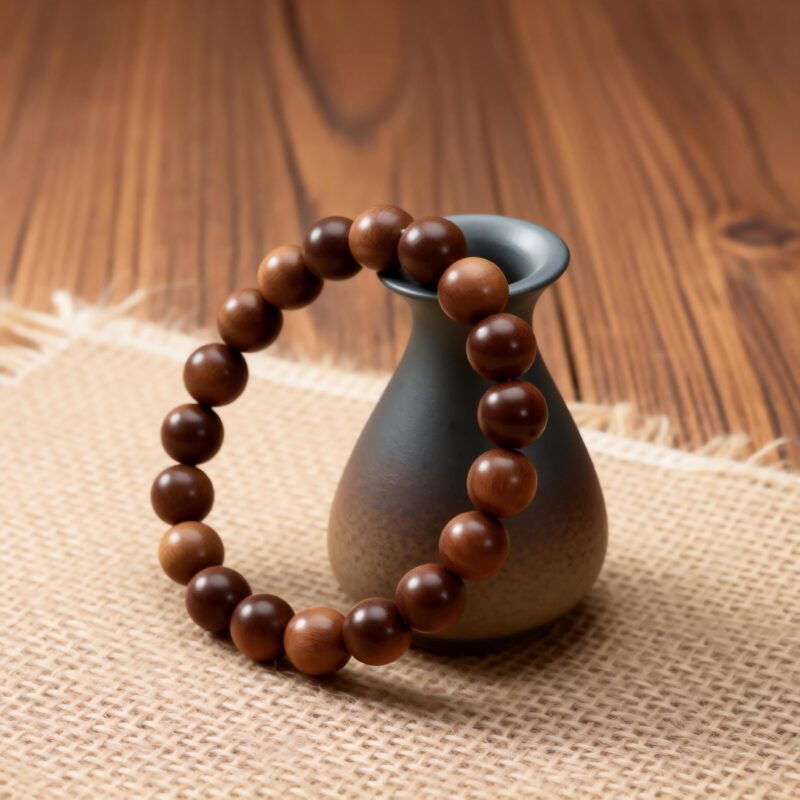
A sandalwood bracelet, by contrast, provides a soft, steady presence, making it well suited for daily wear and a calm, grounded atmosphere. Explore sandalwood bracelet →
For those who resonate with both, alternating between the two can create a balanced rhythm throughout the day.
A Quiet Philosophy of Fragrance
In the end, agarwood and sandalwood share something deeper than scent.
Both represent a philosophy where fragrance is not meant to dominate a room.
Instead, it quietly transforms the space.
The air feels softer.
The moment slows down.
Nothing dramatic happens.
And yet the atmosphere changes.
FAQ — Agarwood vs Sandalwood
What is the main difference between agarwood and sandalwood?
Agarwood forms through resin created when a tree becomes naturally infected, producing a dark aromatic wood. Sandalwood develops fragrance through natural oils in its heartwood as the tree ages.
Which incense smells stronger?
Agarwood incense usually has a deeper and more complex fragrance. Sandalwood tends to be smoother, softer, and more subtle.
Why is agarwood often more expensive?
High-quality agarwood is extremely rare because resin formation occurs only under specific natural conditions. The rarity of resin-rich wood makes premium agarwood one of the most valuable aromatic materials.
Can agarwood and sandalwood be used together?
Yes. Many traditional incense blends combine small amounts of agarwood and sandalwood to create balanced aromatic compositions.
Which is better for meditation?
Both are used for meditation. Sandalwood is often preferred for calm daily environments, while agarwood may be used for deeper contemplative practices.