Objects
Simple forms. Shaped by time and hand.
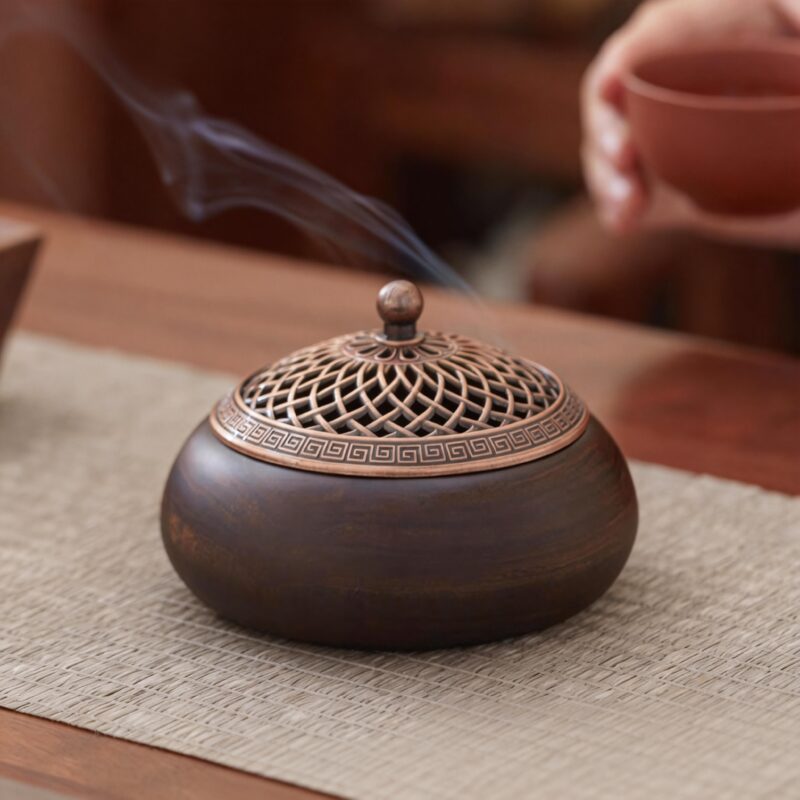
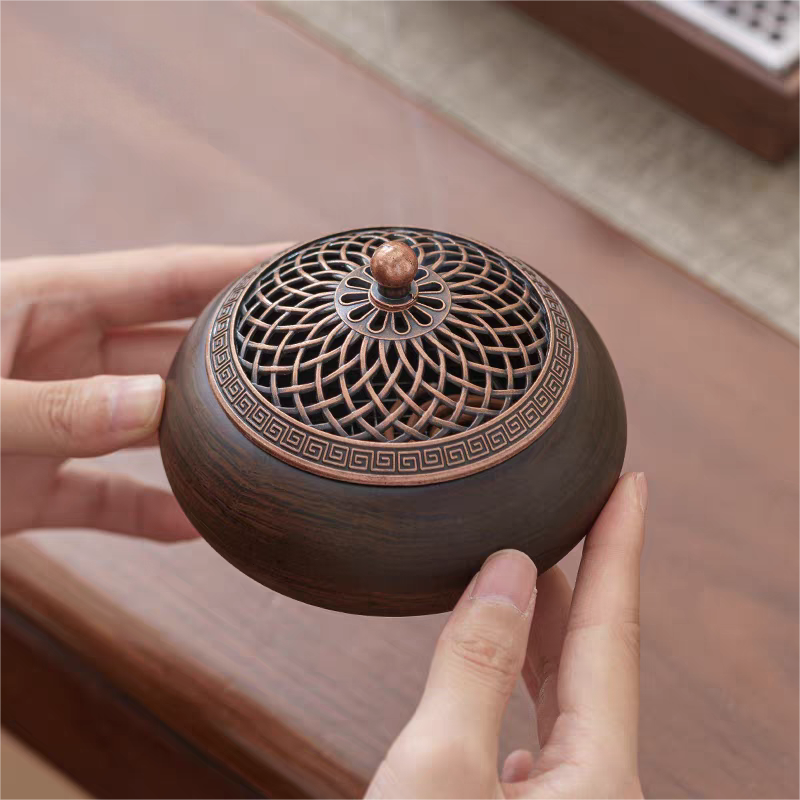
Sandalwood incense · Agarwood incense · Wood · Stone — each piece exists quietly within a space. No explanation needed. Only presence.
Why Objects
Some materials do not belong on the body. They carry weight, texture, and presence — meant to stay, not to move.
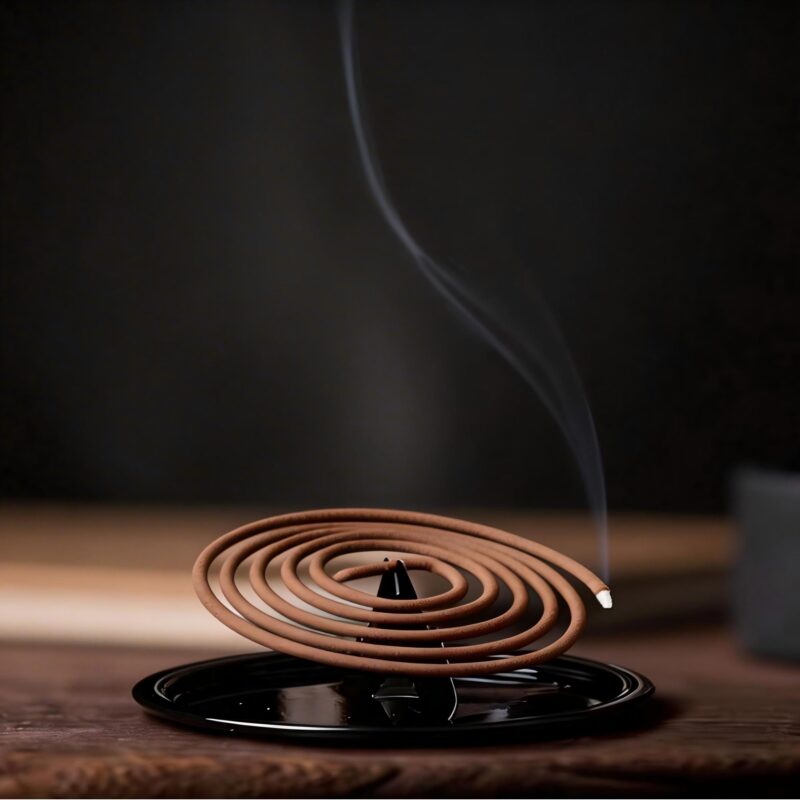
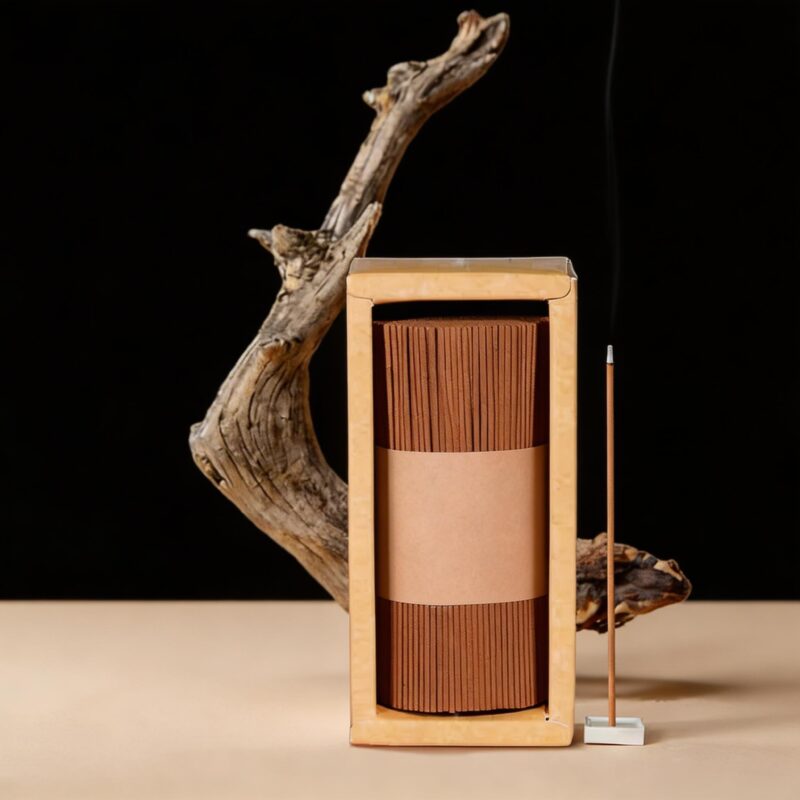
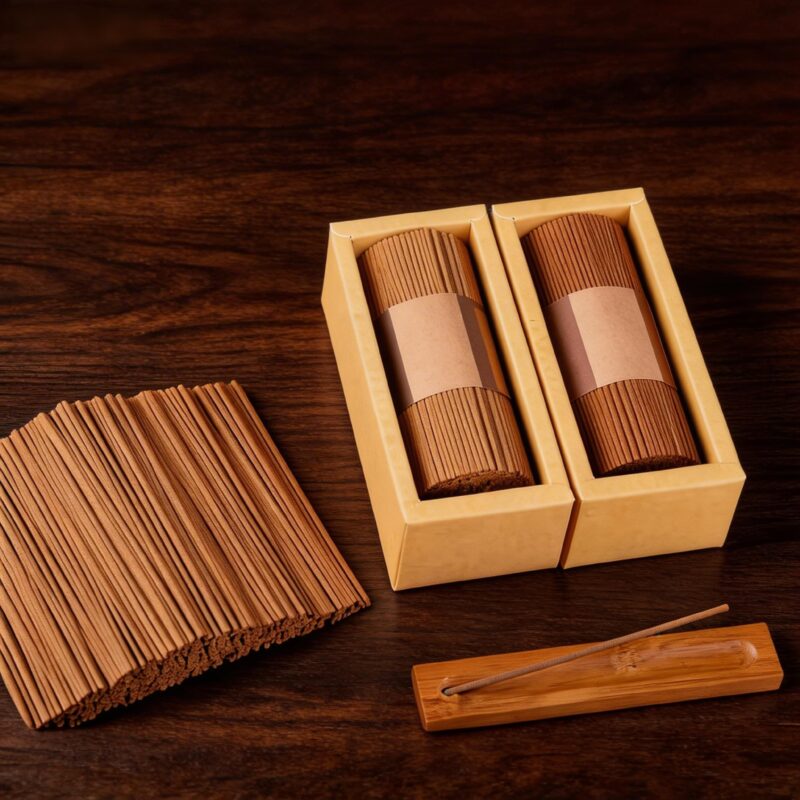
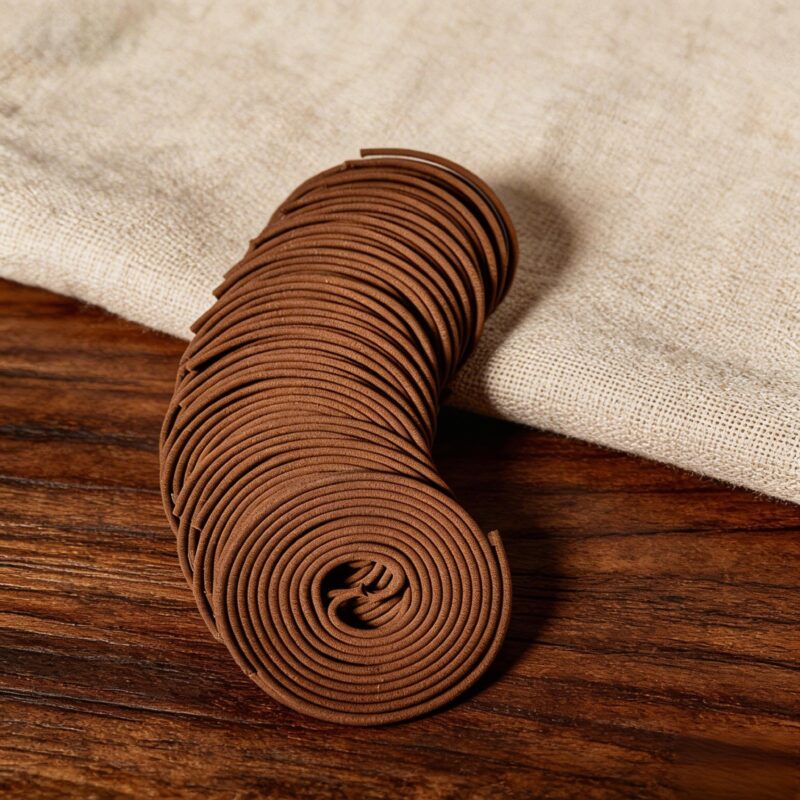
Sandalwood and agarwood incense belong to this space — experienced through scent, time, and atmosphere rather than touch. On a desk. On a shelf. Beside a window. A strand of sandalwood incense. A stick of agarwood slowly burning.
These objects are not symbolic. They are shaped slowly, and kept for the same reason. Quietly present. No explanation needed.

All Objects
Materials in Objects

Wood
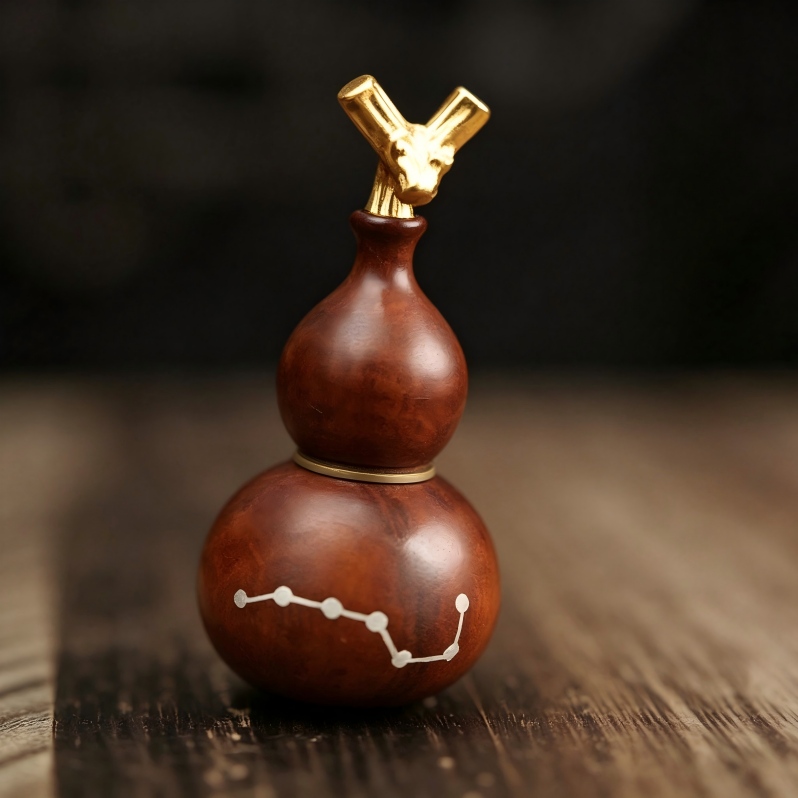
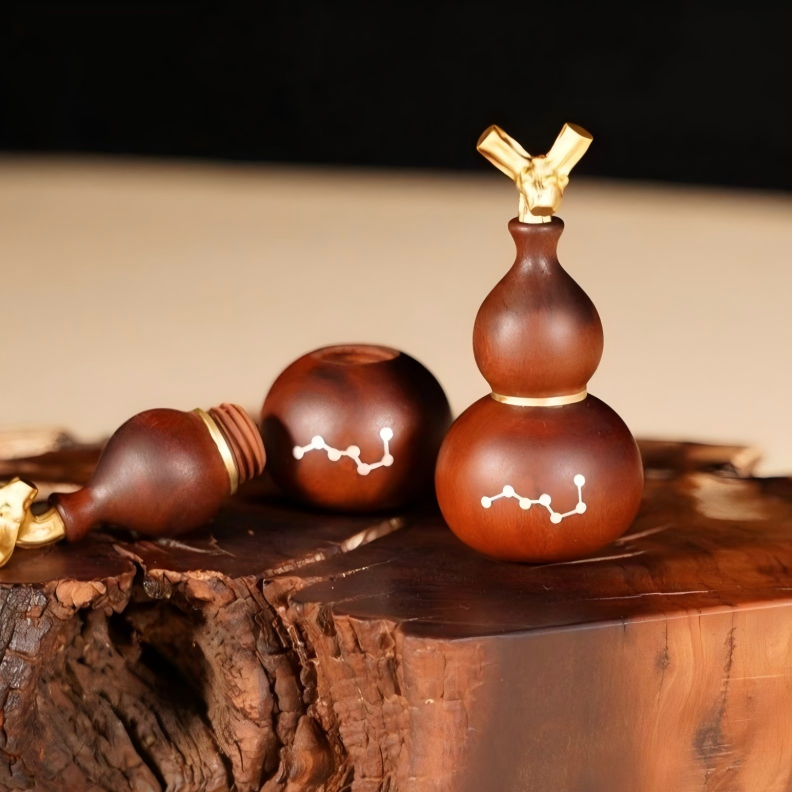
Dense woods chosen for grain, oil content, and aging behavior. Sandalwood and agarwood release subtle fragrance over time, deepening the sensory experience of a space.

Stone
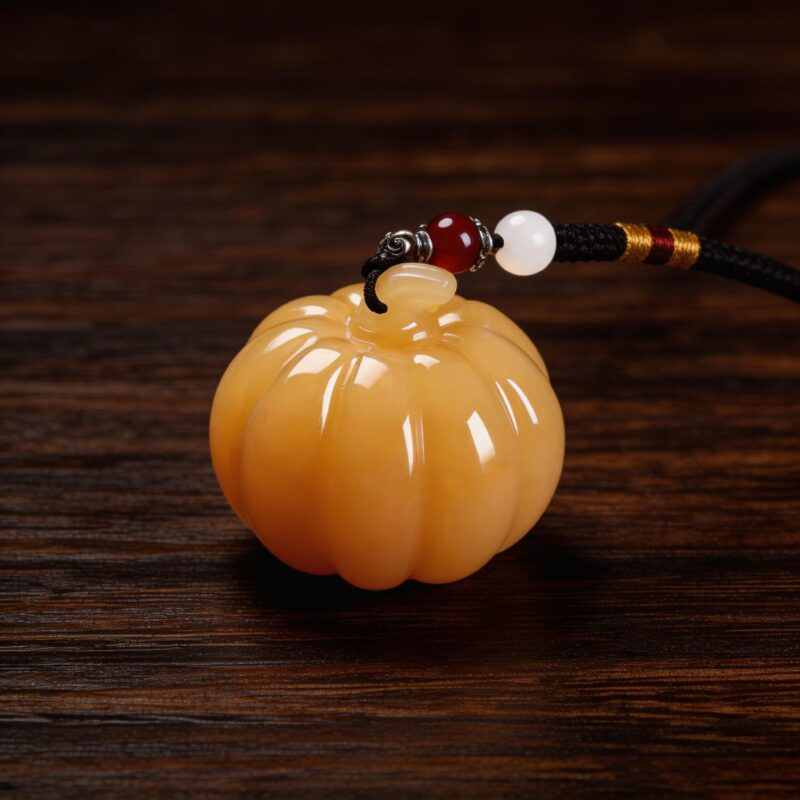
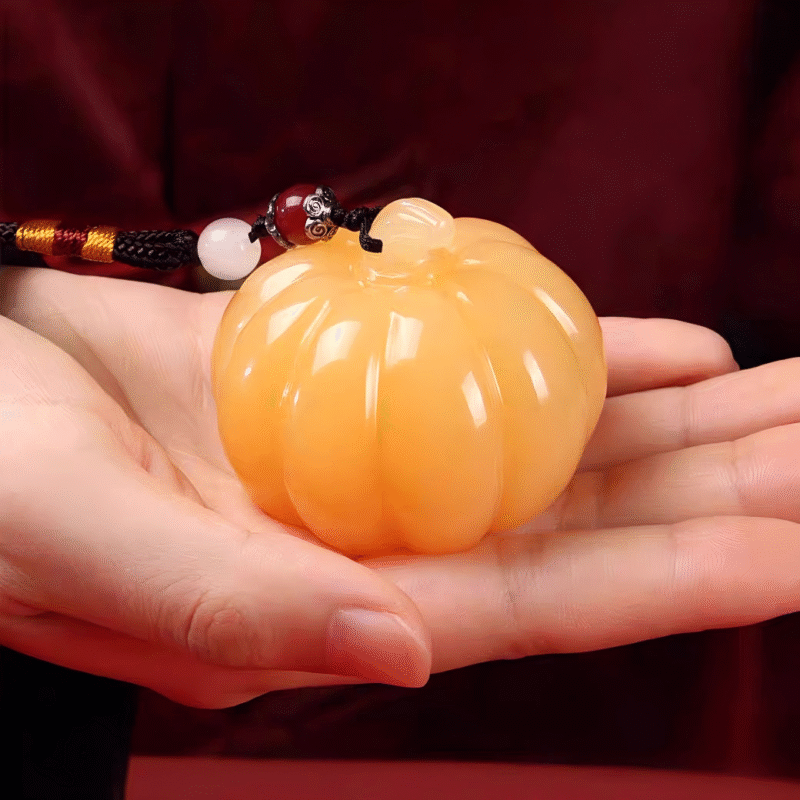
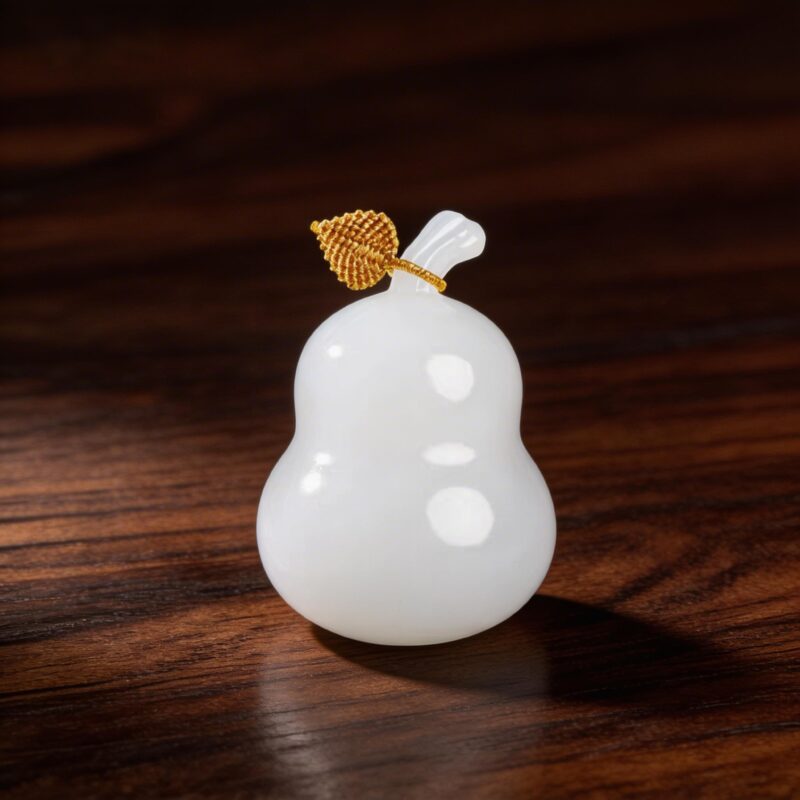
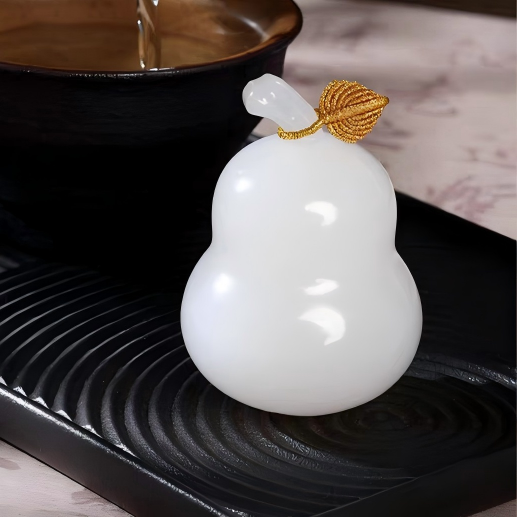
Mineral-based materials with natural density and calm weight. Each piece carries its own internal structure — unrepeatable, unforced. Selected not by rarity, but by how quietly they hold space.
Natural Incense & Minimal Objects
Explore our collection of sandalwood incense, agarwood incense, and minimalist objects made from natural materials.
Each piece is designed to bring quiet presence into a space — through scent, texture, and form.
Understanding Incense & Objects
What is sandalwood incense?
Sandalwood incense is made from aromatic wood known for its soft, warm, and calming scent.
It is often used to create a शांत, grounded atmosphere in daily spaces.
What is agarwood incense?
Agarwood incense is produced from resin-rich wood formed over time.
It carries a deeper, richer scent, often associated with stillness and depth.
How is incense used in daily life?
Incense can be burned during moments of pause, work, or transition.
It does not require ritual — only a quiet space and attention.
Are these objects decorative?
These objects are not designed as decoration.
They are created to exist quietly within a space, influencing atmosphere rather than attention.
Objects are not meant to be understood.
They are kept —
on a desk, on a shelf,
somewhere within daily reach.
Over time,
they become familiar,
not because they change —
but because you do.