

Daoist sitting meditation is far more than a physical practice — it is the gateway to inner stillness and union with the Dao. In a restless world filled with noise and distraction, we often lose ourselves in the chase for external things — swept away by scattered thoughts and anxiety, gradually forgetting the ease and authenticity that life was meant to hold. More and more people are turning to meditation. Some treat it as a tool for relaxation, others as a ritual for self-cultivation. But if we fixate only on posture and duration, we drift from the true purpose of practice. Meditation has never been the goal — it is the pathway to the Great Dao. Union with Dao is the ultimate aim that practitioners pursue throughout their lives.
What Is Daoist Sitting Meditation?
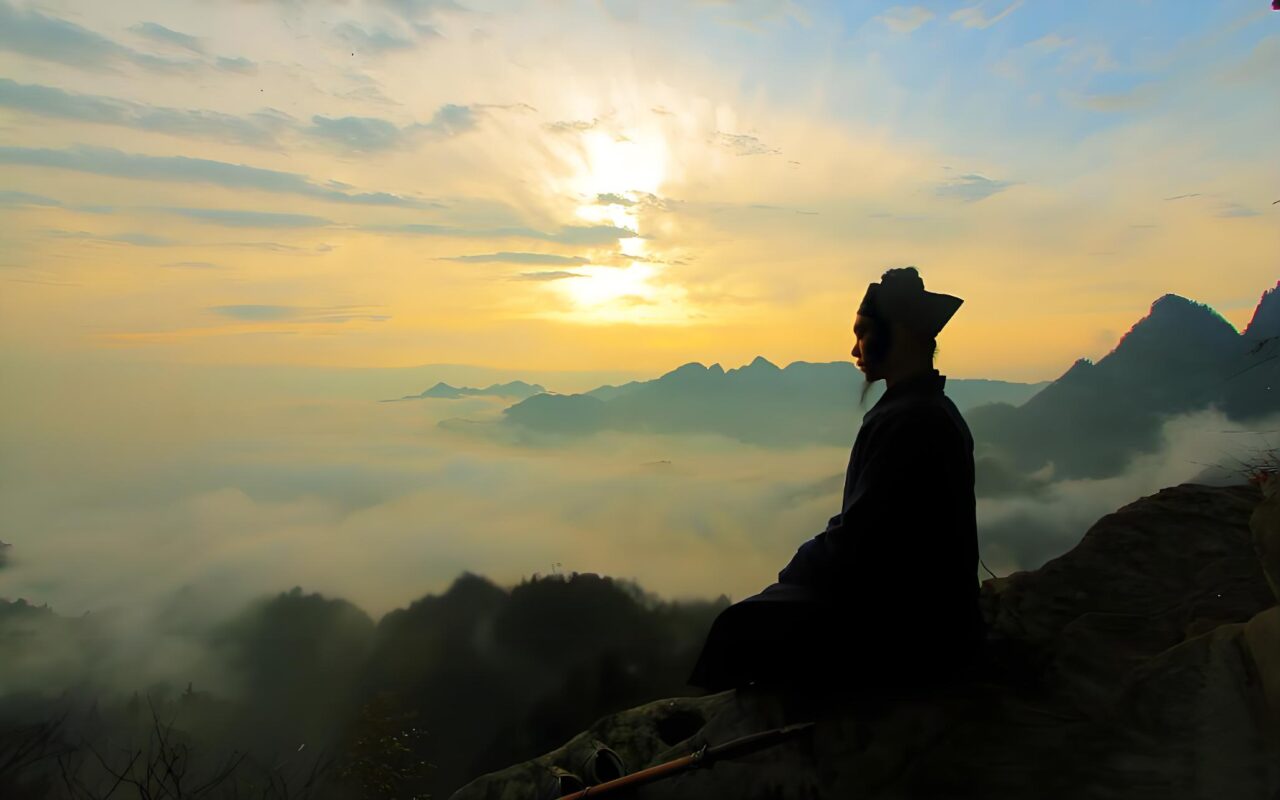
It is not simply about crossing the legs, closing the eyes, and resting. It is the most fundamental and central practice of Daoist cultivation — the beginning of gathering the mind, abiding in stillness, and turning inward. As the Zuowang Lun (Treatise on Sitting in Forgetfulness) states:
“At the beginning of studying the Dao, one must sit calmly and gather in the mind, departing from external circumstances to dwell in no-thingness, not attaching to a single object. Once you enter that emptiness, the mind merges with the Dao.”
The essence of sitting meditation lies in letting go of outer turmoil and inner attachments, allowing the restless heart to return to stillness.
In daily life, our minds are dragged by joy and sorrow, gain and loss — like willow catkins blown by the wind, drifting without anchor. Meditation is the act of pausing that chase. We sit quietly, adjust the breath, and gather the scattered spirit. Gradually, we release the grip of external circumstances, forget the body’s form and the world’s conventions. This is not passive escape — it is active inner cultivation. Through calming the body, we quiet the mind, building a bridge to touch the Great Dao. No harsh requirements, no elaborate temple, no complex ritual — only a sincere heart turning toward the Dao, reclaiming inner clarity in each breath.
What Is “Union with Dao”?
The Dao is the origin of the universe, the rhythm of Heaven and Earth, the ceaseless law through which all things live. As the Dao De Jing says:
“There was something formless yet complete, born before Heaven and Earth. I do not know its name; I call it Dao.”
Union with Dao means allowing one’s individual life to merge with the great cosmic Dao — setting aside the small self, merging into the greater whole, reaching the ultimate state of Heaven and humanity as one.
Zhuangzi’s “sitting in forgetfulness” gives us a vivid picture of this union:
“Let the limbs fall away, dismiss the senses, depart from form and knowledge, and merge with the Great Dao. This is sitting in forgetfulness.”
Inwardly unaware of one’s own body, outwardly unaware of the world, forgetting conventional wisdom and attachments — the heart-mind vast and open, moving in rhythm with Heaven and Earth. This is union with Dao. It is not mystical talk, but a profound alignment of inner nature with the natural order: acting in harmony with the Dao, living in accordance with one’s true nature — effortless, unforced, at ease. This is the ultimate return of cultivation, the truest expression of life itself.
The principles of Daoist sitting meditation and inner alchemy have been extensively studied in both classical texts and modern scholarship (see, for example, the Stanford Encyclopedia of Philosophy’s entry on Daoism).
Meditation and Union: Means and End
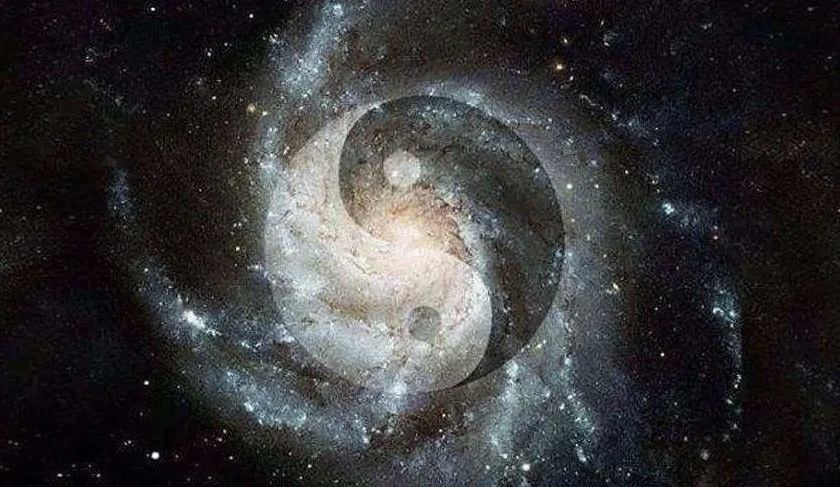
Meditation and union with Dao are method and goal — inseparable, mutually sustaining. Without meditation practice, union with Dao becomes a castle in the air. Yet if one sits only for the sake of sitting, forgetting the goal of union, cultivation loses its soul.
Many fall into this error, obsessing over perfect posture or clocking minutes, clinging to visions and experiences that arise during meditation. This only breeds deeper attachments, carrying one further from the Dao. True cultivation uses the stillness of meditation to break through inner barriers, shed restlessness and illusion, and let one’s true nature gradually become clear. In the steady rhythm of daily quiet practice, we slowly grasp the patterns of Heaven and Earth, aligning with the way of nature until thoughts, words, and actions are all in accord with the Dao — no longer trapped by the form of sitting itself.
Meditation is the cultivation — refining the heart-mind, dissolving distractions, nourishing essence, energy, and spirit. Union is the realization — clarity of original nature, harmony with Heaven and Earth. We need not seek sudden overnight awakening. Simply persist in daily meditation: nourish the heart-mind with stillness, awaken to the Dao through the heart-mind, and live the truth of the Dao in everyday life. Be gentle with others, at ease with events, not entangled in gain or loss, not imprisoned by emotions. Follow nature, dwell in the present — with each step you are drawing closer to union with Dao.
Life itself is a path of cultivation. Meditation is where we begin; union with Dao is the direction we walk. No need to rush, no need to grasp at form. Rest in the present, turn the gaze inward with a quiet heart. Through each sitting, each stillness, settle and deepen. Through each word, each action, align with the Dao. One day, we will release the grip of attachments, return life to its original authenticity, breathe with Heaven and Earth, merge with the Great Dao, and find the eternal peace and ease within.
May we all use the practice of sitting meditation to guard the heart’s clarity, and take union with Dao as our direction, walking through this noisy world with grace — each of us carving our own path of cultivation.