

Introduction
Taoist Qi nourishment methods are rooted in the ancient understanding that Original Qi (元气) is the very foundation of human life. As the Huangting Jing (黄庭经, Yellow Court Scripture) states: “Nourish your Original Qi and you will enjoy long life and enduring vision.”
What does it mean to nourish Qi? It is not merely a set of secret breathing techniques. Rather, it begins with the way you live each day — your habits, your thoughts, your words, and your actions. It is about harmonizing Yin and Yang within the body and cultivating a heart of kindness and clarity.
The Ten Methods of Nourishing Qi trace back to ancient Taoist sages. Simple and practical, they weave the art of Qi cultivation into ordinary life.
They are a living expression of the Taoist path —
aligning with the natural rhythms of Heaven and Earth,
refining body and mind
through gentle, daily practice.

Ten methods.
One Qi.
A lifetime of returning to the root.
1. Speak Less to Nourish Inner Qi
Excessive talking scatters the Qi in the chest. Idle chatter, arguments, and heated debates agitate the Lung Qi and disturb the heart-mind. Speak only when necessary. Avoid disputes. When your heart is calm and your breath is steady, then speak slowly and gently. This keeps the Qi in the chest from leaking outward.
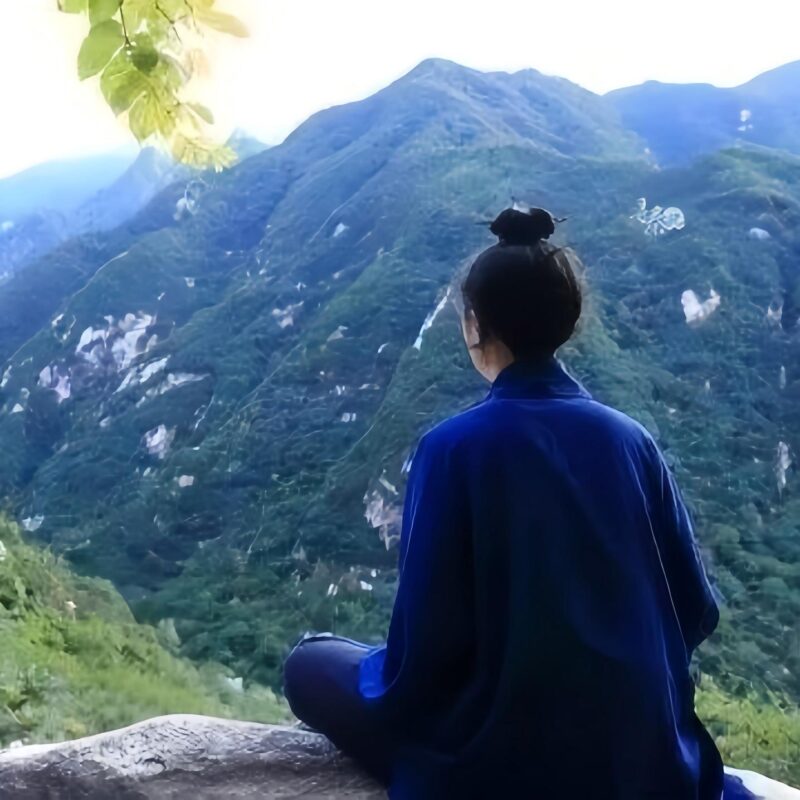
Spend quiet moments sitting still. Refrain from reckless opinions. In this way, the inner Qi naturally becomes full and flows smoothly. As Laozi says: “Much talk brings exhaustion. Better to hold to the center.”
2. Restrain Desires to Nourish Original Essence
Essence (Jing, 精) is the foundation of Qi. Unrestrained desire depletes the Original Essence, and with it, the Qi declines. To nourish Qi, first learn to moderate excessive cravings. Keep regular rest, live with simplicity, and maintain inner stillness.
When Essence is abundant, Qi arises naturally. When Qi is full, the heart-mind settles in peace. This is the most fundamental principle of preserving life and strengthening the root.
3. Eat Lightly to Nourish Blood and Qi
Heavy, greasy, and strongly spiced foods block the spleen and stomach, obstructing the flow of Qi and blood. A light and balanced diet — rich in whole grains and seasonal vegetables — keeps the digestive system clear and the meridians open.
Eat only until you are seventy percent full. Leave a little space in the stomach so that the spleen and stomach can function smoothly. When digestion is unimpeded, Qi and blood circulate freely throughout the body.
4. Swallow Saliva to Nourish the Five Organs
The saliva in the mouth is the body’s sacred fluid. The ancients called it the “wine of long life.” When at rest, close the mouth, curl the tongue, and gently swish to generate saliva. Swallow it in three slow sips, sending it down toward the Dantian.
Saliva moistens the five organs, nourishes the Triple Burner (三焦), and replenishes the Qi that the organs consume. Regular practice dispels internal heat and calms the heart-fire.
5. Restrain Anger to Nourish Liver Qi
Anger is the direct enemy of the liver. When rage rises, Qi surges upward, and the blood vessels are thrown into chaos. Learn to meet life’s irritations with tolerance and calm. Do not cling to right and wrong. Do not give in easily to fury.
Taoism teaches “universal love and compassion” (齐同慈爱). A heart that holds kindness and spaciousness allows Liver Qi to flow gently. When the liver is at ease, the entire network of Qi and blood moves in harmony.
6. Control Food Intake to Nourish Stomach Qi
Overeating overwhelms the spleen and stomach. When the stomach is blocked, the upward and downward movement of Qi in the whole body is cut off. Eat at regular times and in proper amounts. Neither starve nor stuff yourself. Eat lightly at night so the stomach can rest.
The spleen and stomach are the source of Qi and blood. When Stomach Qi remains strong and undepleted, the whole body’s Qi has a steady, unshakable foundation.
7. Breathe Gently to Nourish Lung Qi
Each day, find a place with fresh air. Breathe evenly — in through the nose, out through the nose. Let the breath be soft, long, and fine, like an infant’s breath. No急促 (rapid panting), no coarse exhalation.
This gentle breathing draws the clear Qi of Heaven into the lungs and expels the stale, turbid Qi within. It nourishes the lungs and harmonizes the entire Qi mechanism of the body.
8. Reduce Overthinking to Nourish Kidney Qi
Excessive thinking and chronic anxiety silently drain the Kidney Qi. Let go of obsessive attachments. Reduce unnecessary rumination. Stop weighing every gain and loss.
In quiet moments, sit still and empty the mind of scattered thoughts. When the mind is free of entanglements, Kidney Qi settles securely. The Original Qi will not be dissipated by restless mental activity.
9. Cultivate Composed Conduct to Nourish Original Spirit
Restless, hurried behavior scatters the outer Shen (spirit). When the spirit is scattered, Qi has no anchor. Move through your day with calm and steadiness. Do not rush about in haste. Keep regular rhythms — rising and resting at consistent times.
Guard your speech and conduct. Gather the wandering mind back home. When Shen and Qi abide together, the Qi within naturally becomes condensed and stable.
10. Practice Good Deeds to Nourish Upright Qi
This is the very heart of all Taoist Qi nourishment methods. The vast, noble Qi — the Haoran Zheng Qi (浩然正气) — springs from inner kindness and benevolence. Hold a compassionate heart for others. Do good, help where you can, treat people generously, and never harbor thoughts of harming others for your own gain.
The Taoist ideal of “treating all beings as one family” is rooted in cultivating virtue. When the heart dwells in kindness, righteous Qi fills the chest. No vexation can take hold. This is the core spiritual teaching of Taoism — serving the world, cultivating goodness, and refining the self.
Bringing Qi Cultivation Into Your Daily Life
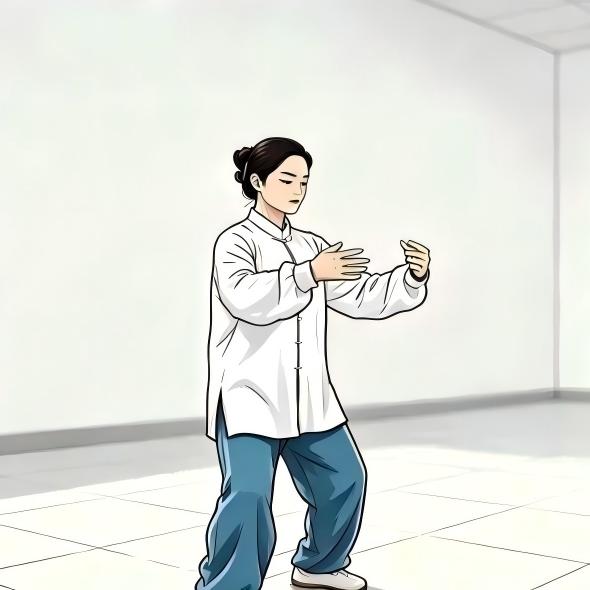
The ten Taoist Qi nourishment methods require no complex esoteric techniques. They fit seamlessly into ordinary life. The first nine methods regulate the body’s Qi and blood. The tenth method cultivates the heart’s upright Qi. Together, they form a complete path — nourishing form within, cultivating virtue without.
To practice these ten methods is to embrace a lifestyle of wellness rooted in ancient Chinese self-cultivation. It is also a way of living the Taoist teachings of compassion, service, and inner peace.
If you’d like to explore the philosophical roots behind these Qi cultivation practices, the Stanford Encyclopedia of Philosophy offers an excellent scholarly overview of Taoist thought. Read more here: Stanford Encyclopedia of Philosophy — “Daoist Philosophy”
Ready to Deepen Your Qi Practice?
These ten methods are a gentle foundation. If you wish to go further — to truly feel Qi moving through your body, to build inner strength, and to experience the stillness beneath daily life — we invite you to explore our Taoist Qi Cultivation Courses.
We are preparing these courses with care.
They will be released gently,
one by one,
in the weeks to come.

Sitting meditation. Zhan Zhuang.
Baduanjin. Wuqinxi. Tai Chi.
Each a doorway.
Each a step toward the Qi within.
👉 [Explore Qi Cultivation Courses Now]